EventAI & Automation
What’s next? How data, automation & AI are reshaping business
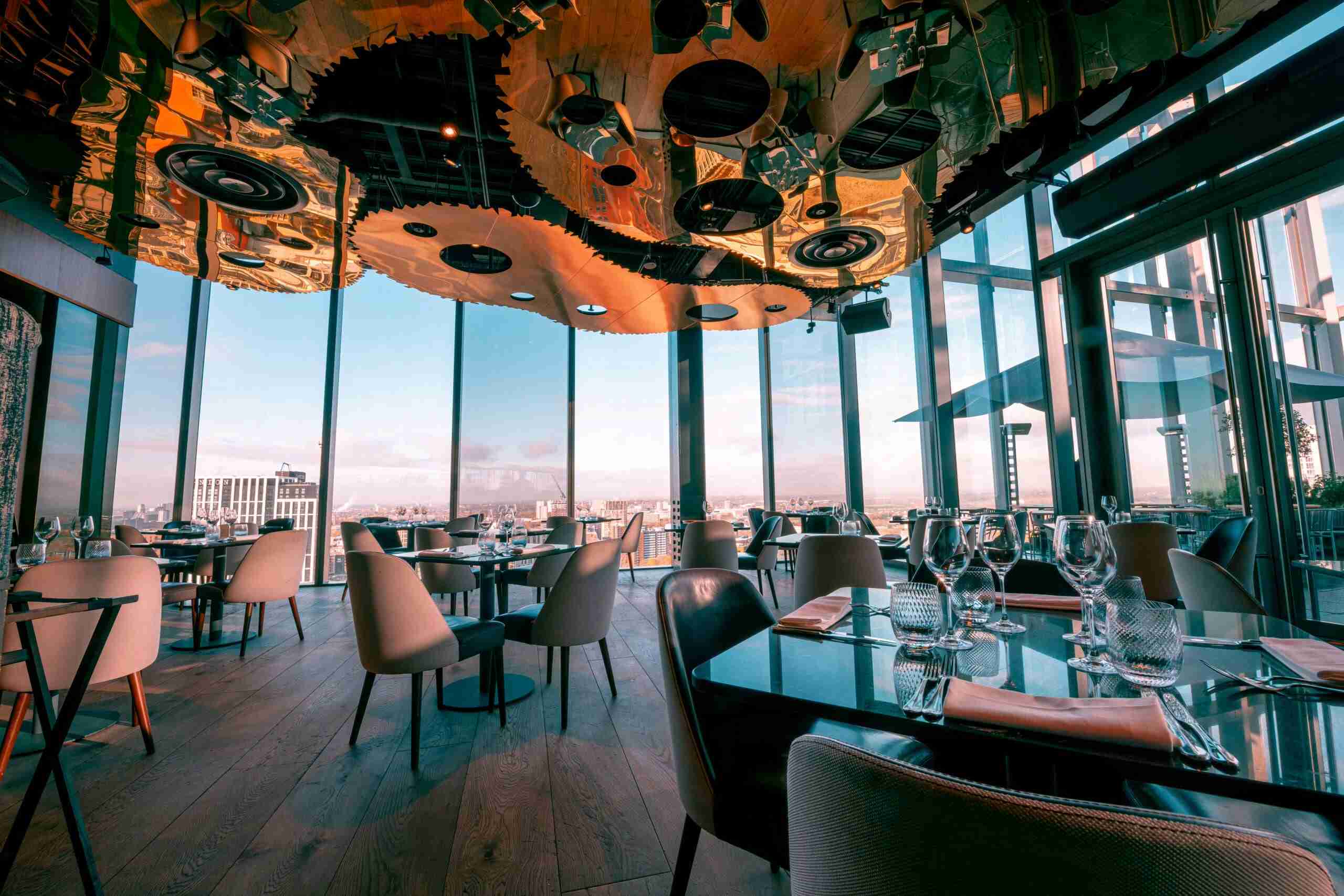
17 November 2026 · 11:00 · 20 Stories, Manchester

Podcast


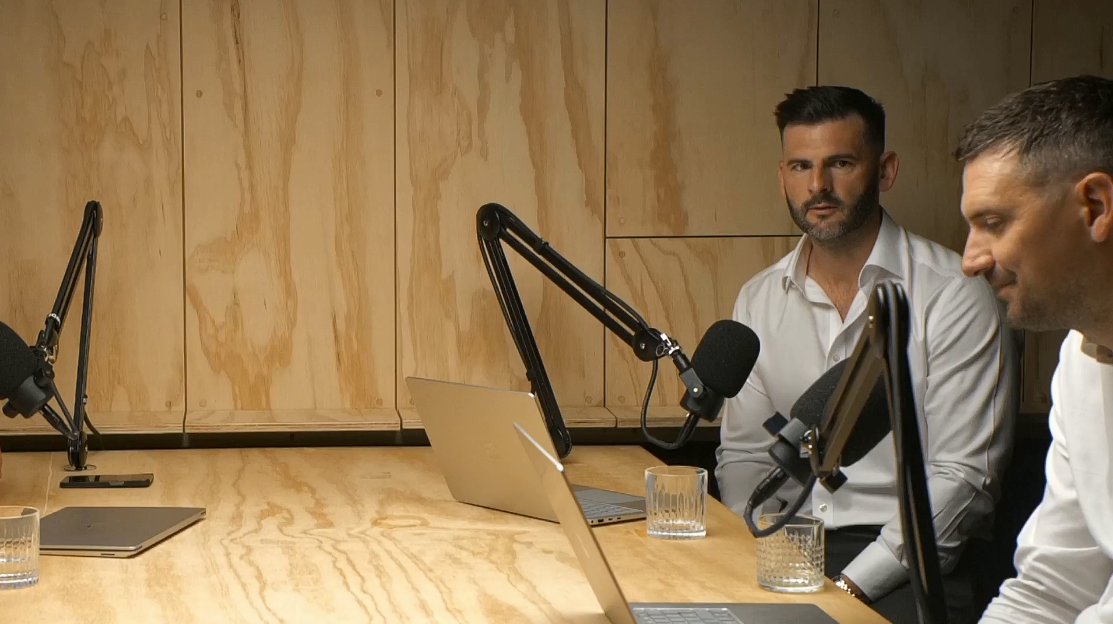
Hear from our experts
In this episode, Valto's Azure specialists discuss the key themes emerging from recent Microsoft-hosted events in London and Manchester, covering everything from Azure cost optimisation and governance to security, landing zones, managed services, and Azure AI Foundry. Whether you're looking to modernise legacy infrastructure, improve Azure governance, strengthen cloud security, or prepare your environment for AI adoption, this episode provides practical guidance and real-world examples from organisations already making the journey.
Many organisations migrate workloads to Azure without revisiting architecture, governance, or resource management. While this can accelerate migration projects, it often results in unnecessary costs, underutilised resources, and environments that are difficult to manage effectively as they grow.
Strong governance helps organisations maintain control over Azure subscriptions, resources, permissions, spending, and security. Without clear governance frameworks, Azure environments can quickly become complex and expensive to manage.
Security in Azure operates under a shared responsibility model. While Microsoft secures the underlying cloud platform, organisations remain responsible for many aspects of securing identities, configurations, data, workloads, and access controls.
Valto's Azure Scout assessment helps organisations evaluate their Azure environment across key areas from performance to security.
As AI adoption accelerates, organisations are increasingly reviewing whether their cloud environments are capable of supporting future AI initiatives.
Be the first to hear about our latest podcast episodes, videos, news and more.
Whether you're looking to modernise legacy infrastructure, improve Azure governance, strengthen cloud security, or prepare your environment for AI adoption, this episode provides practical guidance and real-world examples from organisations already making the journey.
Valto Creative Team (00:00.514)
Valto hosts an abundance of events throughout the year. We try and do two every quarter. So we host one down in London and one in Manchester. They’re usually co-hosted with Microsoft at the Microsoft offices. We’ve done some this year around building intelligent intranets. So specifically with AI and co-pilot and branching out sort of modern work and how HR and communications teams can basically improve collaboration and communication across their organizations.
We’ve hosted some small round tables on this as well, where usually that’s where insights can get shared and companies and organizations can almost bounce off each other as well as listen to us. So most recently, we were down in London and up in Manchester to host an event on Azure security, cost optimization, as well as pieces around Azure AI, Foundry and Fabric. So Rob’s here to talk a little bit about how that went, what he spoke about.
and the kind of people that came in and the insights they gathered? Yeah, think both events were really good, both well received, got good feedback. I think there was a lot of good insights as well, especially with the cost optimization. That’s one of the really big things that causes friction between maybe the finance teams and the technical teams trying to achieve business goals. We often see one of the hot topics was
development teams building applications for the organization and the cost completely running away with that. And the organization’s kind of struggling to kind of rein those costs back in, but still enable those services for their customers and their people. So going into the insight, so that was really, good. The other one, guess, more on the kind of the shared approach model and Microsoft managing the data center and the Azure platform.
themselves, but that shared responsibility model, but where customers themselves still need to apply the security and governance to their Azure estates. We covered quite a lot of examples of customers moving legacy infrastructure from co-locations, rack space, on-premise, all those kind of things, and moving them into the cloud, it kind of got them away from physical kit, but may not have necessarily.
Valto Creative Team (02:24.366)
you know, adhere to the cloud adoption framework. There was loads of enhancements that can be made, loads of cost optimizations and also security as well. We looked at a couple of things people are interested in was the governance and landing zones. So creating that really secure governed kind of blueprint really for your cloud environments. That’s repeatable and redeployable.
Microsoft had just released, I think it was like landing zones for these AI and Azure Foundry. So kind of covering the new offerings and technology that Microsoft have helped, produced to help customers really get the best out of their Azure platform when they’re looking to host AI solutions and things. So yeah, there was plenty of insights and good conversations that came off the back of both those.
those sessions, it was really good. And with customers that have worked with us on Azure specifically and mentioned landing zones and governance, are there any specific challenges they come to us with that we need to immediately either educate on or adapt to? I think the challenges are quite broad. mean, the biggest thing we see is just the
whatever they’ve produced in Azure has quite often just been a lift and shift. So whether it was located on premise or in rack space, like I mentioned, they’ve just kind of moved it over into cloud and it’s just a carbon copy of what they had on premise. know, legacy infrastructure systems with a lot of IT technical debt. They’ve not leveraged any of the more modern platform as a service technologies, know, in utilize the different availability zones and things in Azure.
they’ve not taken into account all the benefits of Defender for cloud, enabling all that Defender for server plans and the security products across the different resources. So I think that the biggest challenge is, what I saw is Azure has just become like a carbon copy of what their on-premise was, but just in cloud and there’s still loads of innovation and optimization and cost savings to be made. think that was probably the biggest thing that we discussed.
Valto Creative Team (04:41.87)
what we’ve identified as well. One of the main things that actually came out of the event from a lot of the industries that were involved, especially in financial services and retail and sometimes hospitality and tourism, was that focus around cost optimization and governance, but how and when and where they start. Could you give us a bit of an indication of what we do to help with that and where to typically start? Yeah, so where we typically start with customers who start into
know, assess their environment and start to look at things like the optimization, for example, is we’ve got quite an assessment platform. We call it Azure Scout. It’s one of the largest sort of FinOps tools, I think in the UK, I think around 40 % of Azure consumption actually goes through this tool. So what we can do is we can do things like health checks. So customers can sign up for free, you know, we can onboard them onto our platform.
where we can actually assess the Azure resources, for example. So we don’t need to kind of view any data or anything like that. It’s quite a passive assessment. Within five to seven days, we can assess their entire Azure estate. And from there, we can get quite a comprehensive report on things like not using all of the cost optimization things available to the customer. And it could be like reserved instances. We can look at things like lack of tagging within the Azure environment that often
kind of leads to lack of governance when there’s no tags at all for tax money and understanding the cost centers. We can look at things like zombie resources, things that have just been deployed that are never actually used, just eating up cost, log analytics and storage usage. We’ve got things like the Azure Secure Score, which is like a numerical representation of the environment security posture. So we’ll report on that as well, give them an idea of sort of where they are on that journey.
Microsoft recommend a minimum of 65%. We do try and get it above that, depending on the resources as well. And then just use of other things on there like Fabric and microservices architecture, Kubernetes, all those kind of things that development teams are kind of hosting really. Once we kind of produce that report, we can then sort of sit down with a consultant. We can explain, you can move your subscription to…
Valto Creative Team (07:03.106)
things like the CSP model where you host your Azure subscription through Valto. There’s no sort of change. You still own the subscription. It’s just more of like a billing model that changes over. But when you move it over, we can then start to work with you for, on actually all this cost optimization. We can enable more features on our assessment tools. So we’ve got access to, think it’s around 300 sort of custom dashboards that
are actually powered by like AI as well. So they don’t use the Azure advisor, which is what a lot of most end customers kind of rely on. It’s got an external AI engine that kind of finds the best optimization and things like over-provision disks that people don’t often see. It produces like a huge output of operational optimizations and it creates like a plan for the customers and how to get their Azure environment onto a best practice setup.
So it kind of follows that initial assessment really. There’s no obligation to kind of go through with it, but at least a customer can see kind of where they’re at from a high level within five days free of charge, which is really important for them. And if they do want to work with us, then we can manage their subscription and start to turn on these additional tools that we’ve got access to that really get into into the Enduro environment and find these optimizations.
It’s a really straightforward journey, but it does work really well. So just to give like an example of how we may have helped some of these customers, we’ve got one customer who they’re at a holiday sales business, you know, in the leisure industry. They came to us with help on, you know, Azure governance and Azure optimization. So the first thing we did was take on their subscription and, you know, we onboarded them into a managed services. And from there, we’ve been able to, you know, engage in a project that
completely changes their infrastructure in Azure. So moving away from these legacy infrastructure as a service and moving to a more secure platform as a service model. This was really important for this customer because there was always risk of virtual machines and things going down. And sometimes they might make like a million pounds worth of sales in a single day when they’re releasing all the new.
Valto Creative Team (09:27.0)
the new holiday offerings and leisure activities and things. So any downtime for them could be really costly to the business. could completely ruin their entire year. So we kind of helped them leverage the platform as a service. And then once that kind of engagement was done, we moved to a more cost optimization kind of strategy and kind of trimming down things that we could and getting rid of the legacy services that they had in Azure.
And it’s a similar experience for another organization that we work with. were, I think they were a healthcare company who were selling SaaS based services. I they actually co-sold with Microsoft. They had astronomical Azure bills. I think it was in the hundreds of thousands every month. A lot of this was because of all the verbose logging and things that they were capturing, you know, over.
oversized like sequel instances and things. There was like lots of small wins, but in so many areas, you know, we were able to trim that subscription down. I want to say around up to 30 % of the cost, we were able to get rid of quite quickly while still, you know, maintaining, you know, their compliance and their requirements. And, you know, that was a huge win for like the CFO and his team. And, know, and it didn’t, it didn’t really disrupt the technical team who were, you know, they’ve got quite,
They’ve got quite a high tech SaaS application that they sell to healthcare providers. you know, they both parties were happy. So that was another sort of successful, like consultative led approach as opposed to maybe more of a managed services. But it all started with that initial free assessment that we do with our scout tool. So yeah, that was a good one. As I mentioned, we host all these events up and down the country all year round. We post them all here on LinkedIn.
but we also have a mailing list if you want to be a part of that, do let us know. We host them on all areas of the Microsoft technology and the business units that we run here at Valto. So to keep up to date, follow us here or let me know in the comments.
17 November 2026 · 11:00 · 20 Stories, Manchester

13 October 2026 · 11:00 · Corrigan's Mayfair, London