


News
Azure Cost Optimisation, AI Readiness and Microsoft Fabric: Key Takeaways from Our London Roundtable
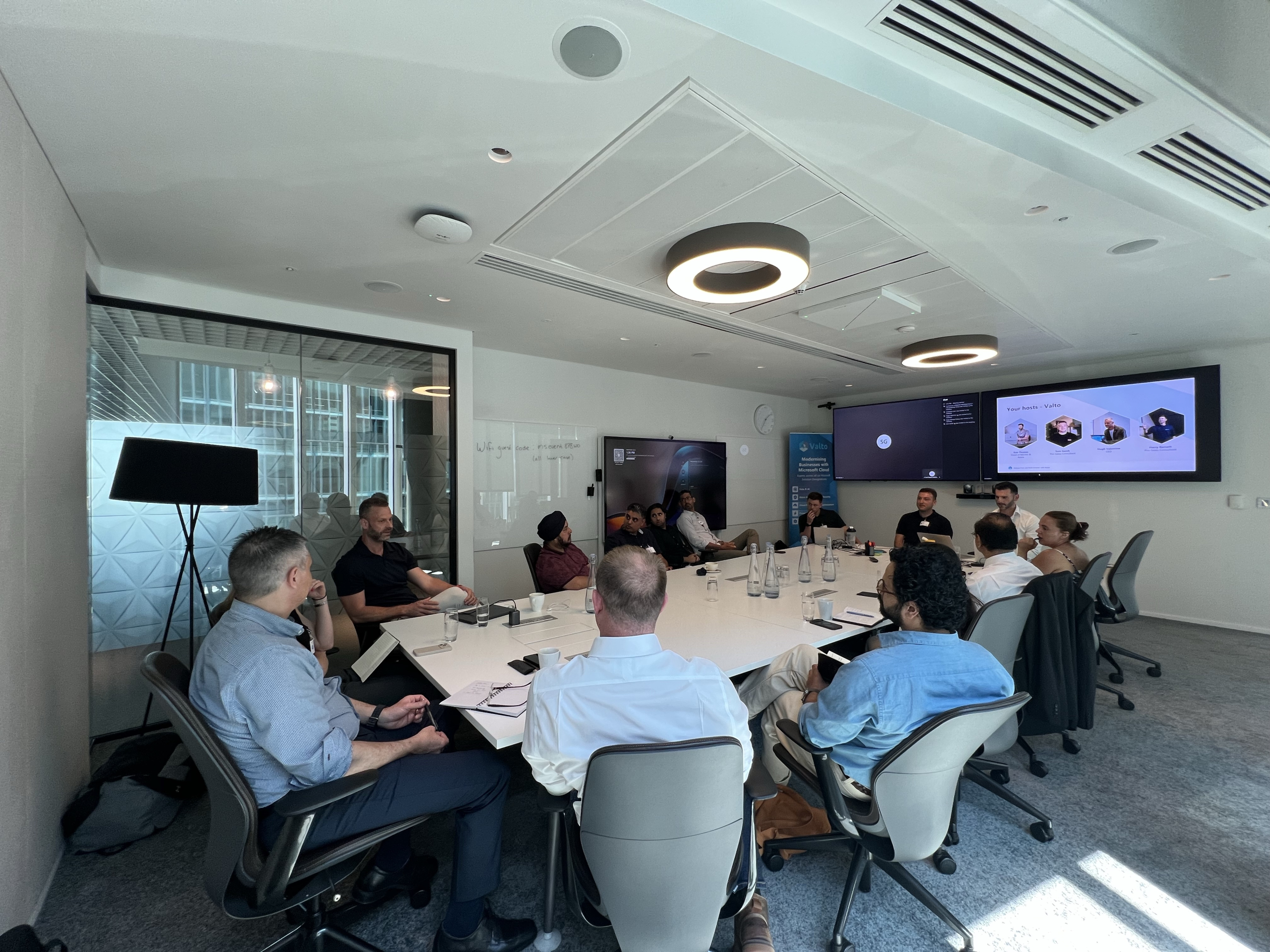
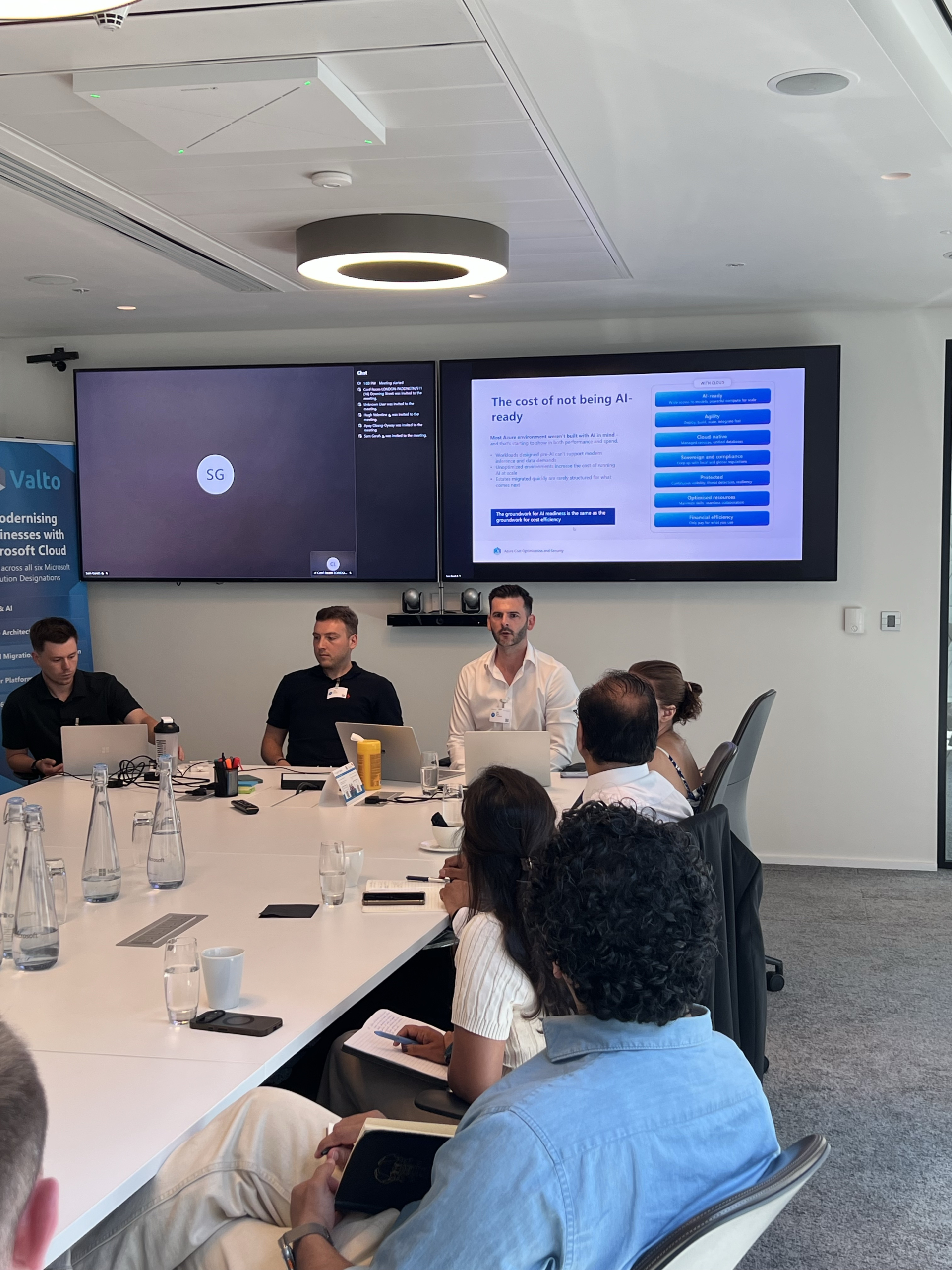
Valto recently welcomed technology leaders to Microsoft's London offices for an exclusive roundtable focused on Azure cost optimisation, AI readiness, cloud security and Microsoft Fabric. Through expert-led discussions and peer conversations, attendees explored practical strategies for reducing Azure spend, strengthening governance, improving security and preparing their organisations for the next wave of AI innovation.
- Published
- 13 July 2026
The cost of not being AI-ready
One of the strongest themes throughout the event was that AI readiness and Azure optimisation are now closely linked. Many organisations adopted Azure long before AI became a board-level priority, meaning environments were often designed for traditional workloads rather than the data, compute and governance requirements that modern AI initiatives demand. The discussion highlighted a common challenge: organisations are rapidly adopting AI tools, yet many Azure estates were never built to support the scale and complexity these projects introduce. As a result, businesses can find themselves facing increasing costs, performance limitations and governance challenges at the very moment they are trying to accelerate innovation. The takeaway was clear: the foundations required for successful AI adoption are often the same foundations needed for effective Azure cost management. Strong governance, cloud-native services, scalable architecture and clear visibility of resources all contribute to a platform that is both AI-ready and cost efficient.
Why Azure overspend rarely happens overnight
Another key topic focused on the causes of Azure overspend. While Azure is often perceived as expensive, the reality is usually more nuanced. Attendees discussed how costs typically rise gradually through a combination of idle resources, duplicated environments, over-provisioned infrastructure, poorly understood workloads and governance drift.
The conversation reinforced that cost optimisation is rarely about aggressive cost cutting. Instead, it is about gaining visibility, understanding ownership and ensuring resources are aligned to genuine business demand. Many organisations discovered they shared similar challenges around resource sprawl, legacy workloads and the ongoing growth of data, monitoring and security tooling.
Modernisation is more than migration
A recurring discussion point was the difference between cloud migration and true modernisation. Moving applications into Azure does not automatically make them efficient, scalable or cost-effective. Modernisation requires organisations to rethink how applications are built, scaled, secured and operated.
The session explored the different paths organisations can take, from rehosting and replatforming through to refactoring, rearchitecting and rebuilding applications. While every workload is different, one message resonated strongly throughout the room: successful Azure optimisation is often driven by simplifying complexity rather than continually adding more technology.
Security remains the foundation
Security discussions centred around Microsoft Entra ID, Conditional Access, Privileged Identity Management, Defender for Cloud and Microsoft’s evolving Zero Trust strategy. Particular attention was given to the growing importance of identity security as organisations introduce AI systems and automation into their environments.
Attendees explored how identity has become the primary control plane within Azure, with access decisions, governance and security policies all increasingly reliant on strong identity foundations. The addition of AI considerations within Microsoft’s broader Zero Trust framework also generated significant discussion among participants looking to adopt AI responsibly.
How Microsoft Fabric is changing the data conversation
The second half of the event focused on Microsoft Fabric and its role in reducing data complexity and Azure costs. Many organisations continue to operate multiple data platforms, reporting tools and integration technologies, often creating fragmented architectures that are difficult to manage and expensive to maintain.
The discussion demonstrated how Fabric brings together data integration, engineering, warehousing, analytics, data science and Power BI within a single platform. Particular interest centred on OneLake and Fabric’s ability to reduce duplicated tooling, simplify governance and create a more predictable approach to managing data workloads.
For organisations already investing in Power BI, Data Factory, Synapse or Databricks, the potential opportunities for consolidation and simplification generated significant engagement during the roundtable discussion.
The biggest takeaway: optimisation is never finished
Perhaps the most important lesson from the day was that Azure optimisation should not be treated as a project with a fixed end date. As organisations evolve, new workloads, new teams, new AI initiatives and new business priorities continue to shape how Azure is consumed.
The businesses achieving the greatest success are those that make optimisation part of their operating model. Continuous review, strong governance, clear ownership and regular assessment of cost, security and AI readiness are what ultimately create long-term value from Azure investments.
Thank you
A big thank you to everyone who attended, contributed to the discussions and shared their experiences throughout the afternoon, as well as Microsoft for hosting us and providing valuable insight into the future of AI, Azure and data platforms. We look forward to continuing the conversation at future events and helping organisations build more secure, cost-effective and AI-ready cloud environments.
Pick up the conversation with our experts
Whether you’re looking to reduce Azure spend, strengthen security, explore Microsoft Fabric, or assess your organisation’s AI readiness, our specialists are here to help. Book a no-obligation conversation to discuss your goals and identify practical next steps.
Microsoft Services Trusted by Leading Brands
“We work with organisations across many sectors of different shapes and sizes from 10 to 100,000 employees.”
Azure Cost Optimisation, AI Readiness and Microsoft Fabric: Key Takeaways from Our London Roundtable
Valto recently welcomed technology and business leaders to Microsoft’s London offices for an exclusive roundtable focused on Azure cost optimisation, security, AI readiness and Microsoft Fabric. The event explored the common causes of Azure overspend, the importance of governance, evolving security challenges, and how organisations can prepare their cloud and data estates for AI adoption.
On 8 July, Valto welcomed technology and business leaders to Microsoft’s London offices for an exclusive roundtable exploring Azure cost optimisation, security, AI readiness and Microsoft Fabric. The session brought together Microsoft experts, Valto consultants and organisations at various stages of their cloud and AI journeys to discuss the challenges many businesses face as they look to modernise their Azure environments.
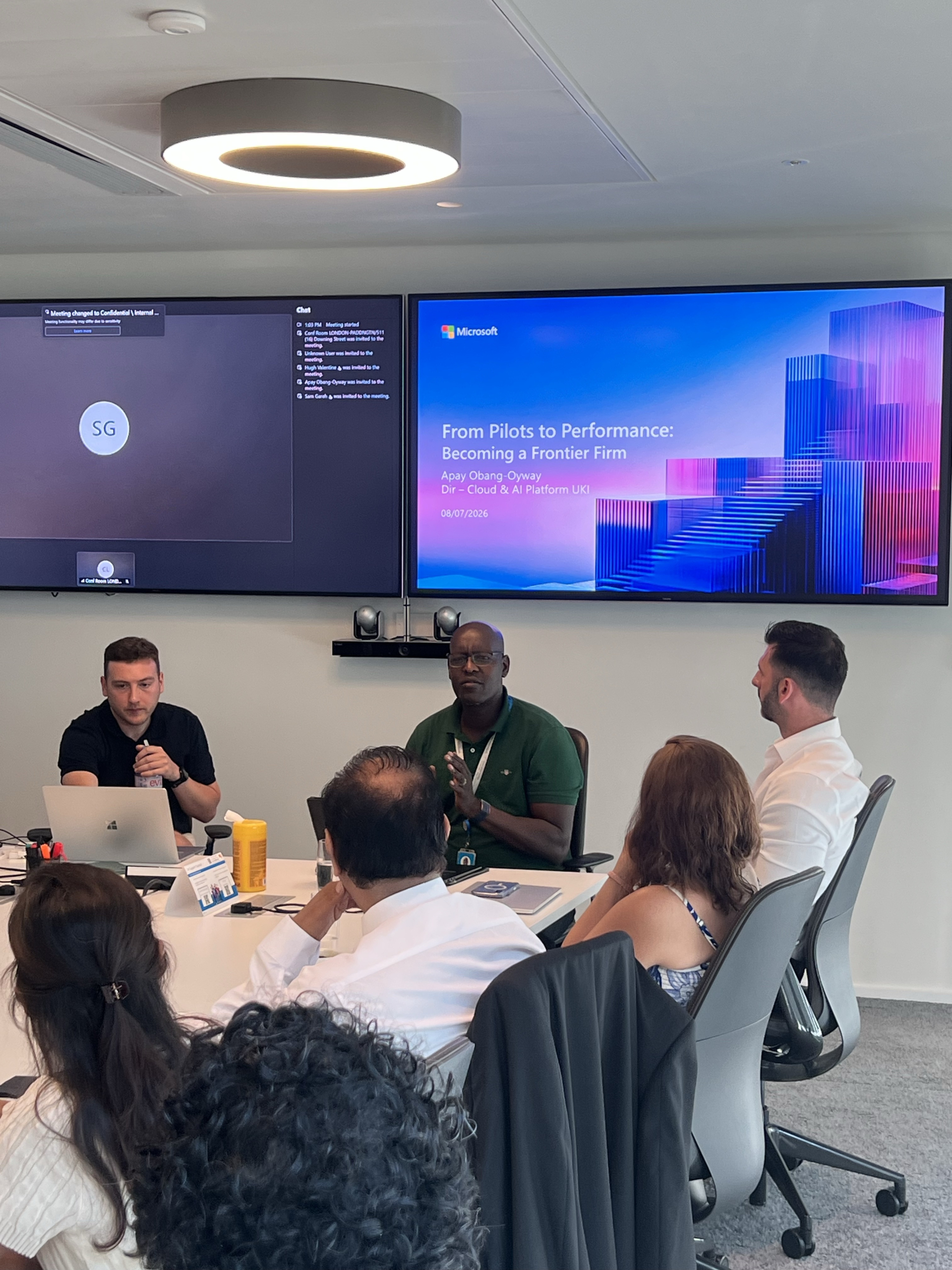
Hosted by Valto’s Rob Thomas, Sam Gareh, Hugh Valentine and Harry Barnett, alongside Microsoft guest speaker Apay Obang-Oyway, the afternoon combined expert-led sessions with open discussion, giving attendees the opportunity to share experiences and compare approaches with their peers.
Talk to our team
Speak to a Valto expert today
Related reading

EventAI & Automation
What’s next? How data, automation & AI are reshaping business
17 November 2026 · 11:00 · 20 Stories, Manchester

NewsAI & Automation
Valto and Holstein UK launch major multi-year digital transformation programme
New partnership will modernise core systems and create a connected, data-driven platform powered by Microsoft technologies.
6 October 2026