
NewsMicrosoft 365
How Microsoft AI Is Evolving in 2026
Our best practices and tips for designing SharePoint Department Sites. Training, development and support for Microsoft services.
20 November 2025

News
Since Copilots announcement in February 2023, there has been a huge interest in its capabilities in the aps that people use on a daily basis such as Outlook, Word, PowerPoint, Teams, and Excel.
Since Copilots announcement in February 2023, there has been a huge interest in its capabilities in the aps that people use on a daily basis such as Outlook, Word, PowerPoint, Teams, and Excel.
With hundreds of large enterprises signing up to the early access programme, and the sheer beneficial impact this is having within organisations, means the deployment and adoption of AI will be a core area where HR will have to lead.
To ensure the successful long-term integration of AI tools, it is essential to revise key processes such as onboarding, training, and skill enhancement.
Excelling in these areas is vital for capturing people’s interest, involving them in the transition, and maintaining their engagement.
In this blog post we will share four points that will help to build an effective AI strategy that HR can spearhead:
Instead of initially focusing on AI’s capabilities, HR and senior business leaders should start by identifying their business objectives and then explore how AI can support these goals.
This will ensure that AI initiatives will align with your business and therefore will provide real benefits to your employees and customers.
Starting with this approach enables HR professionals to jointly create an AI operating model, supported by a leadership-approved plan.
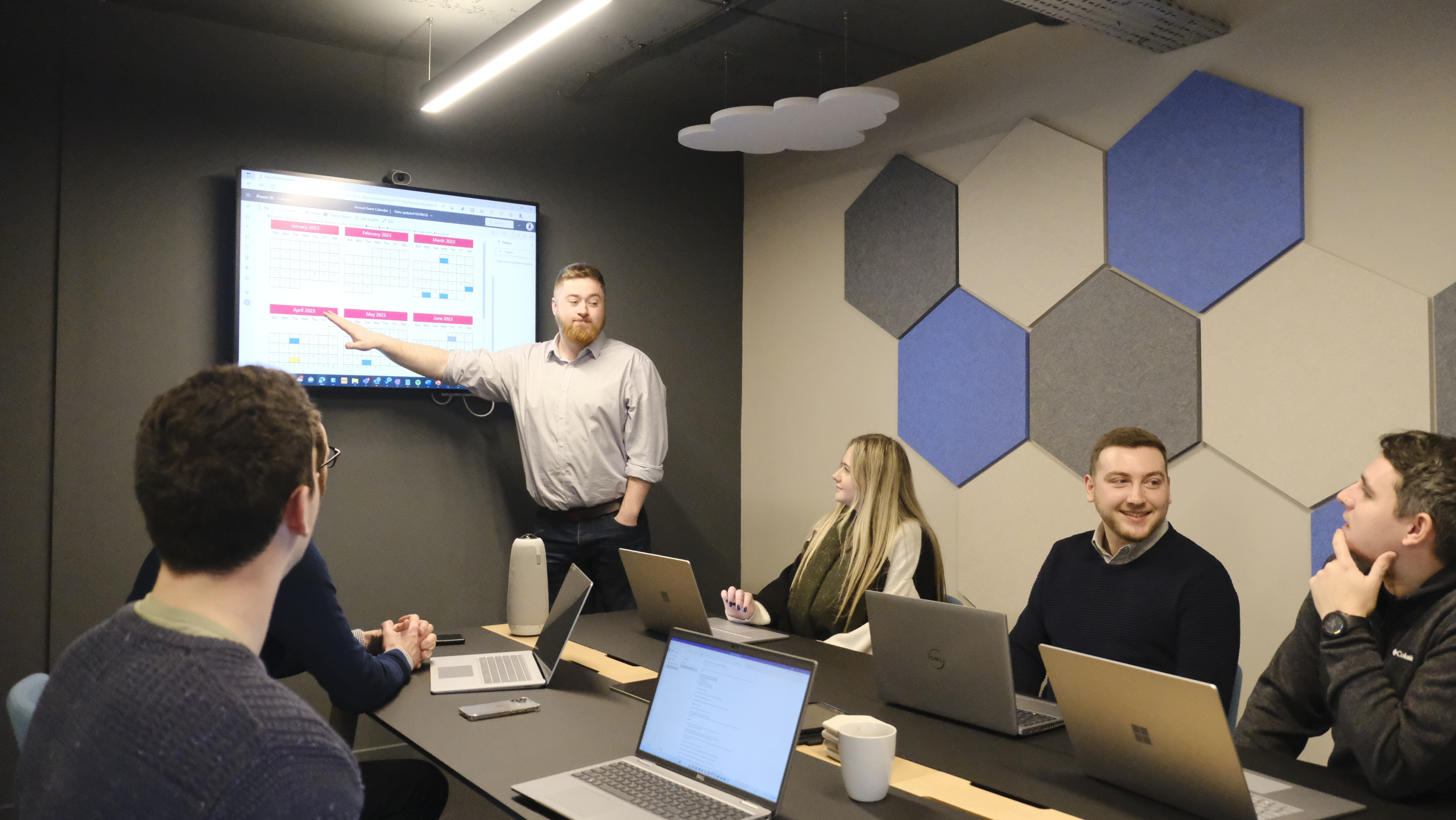
HR leaders should create an environment where employees are encouraged to responsibly experiment with generative AI and learn through practice, focusing on progress rather than perfection.
If a new AI-powered workflow, output, or process saves time or adds value, it’s an excellent foundation to build upon.
HR departments should ensure that training is continuous and accessible to their members of staff.
Training enhances the value derived from AI by teaching staff to use prompts more effectively. Clearly defining the objective, context, expectations, and sources leads to richer and more useful outcomes.
Training select team members initially can foster a culture where integrating AI into daily tasks becomes more manageable. These trained members can provide encouragement and support, making the learning and implementation process smoother for the entire team.
Tracking key metrics such as whether your staff are enjoying work more, feeling more energised, and less strained are vital to ensure that your employees are using AI in the right ways. Microsoft tools such as Microsoft Copilot Dashboard, integrated with Viva aims to assist HR teams by tracking adoption and usage metrics alongside collaboration data. It provides pre-configured reports tailored for HR leaders, utilising pre- and post-implementation behavioral data and feedback from staff surveys. The dashboard will display the number of eligible employees prepared to leverage Copilot, analyse Copilot usage across various Microsoft 365 applications, and offer initial insights into Copilot's impact on productivity through metrics on meetings, chats, emails, and document interactions.
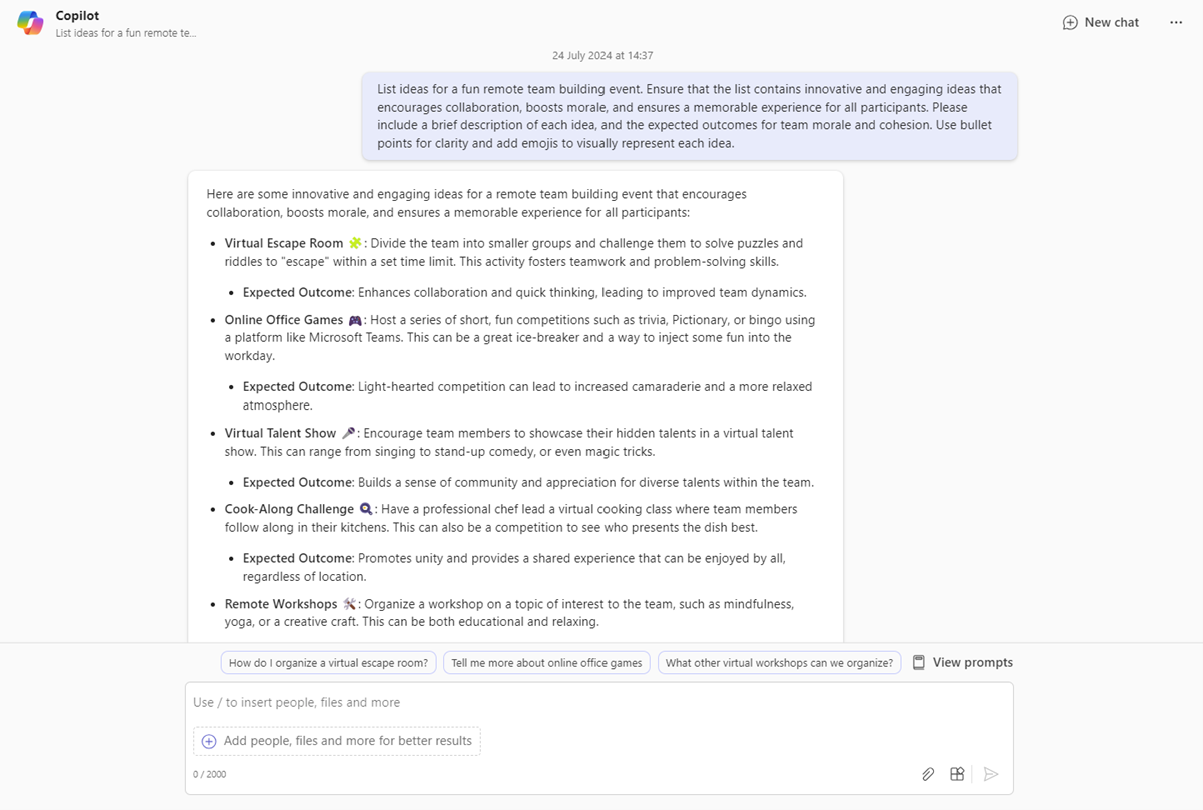
HR leaders also have a very important role in ensuring their organisation has a responsible approach to AI. Businesses aiming to maximize AI's advantages should prioritize discussions and strategies around data governance, security, and the ethical implications of AI. Addressing both risks and opportunities is crucial in shaping responsible AI practices. Microsoft has articulated its principles for responsible AI, providing valuable guidance for those aspiring to take a leadership role in this evolving field. Any Microsoft AI products will not use customer data to train any large language models (LLMs). They uphold stringent enterprise compliance and security measures to safeguard customer information, ensuring the highest standards of protection.
“We work with organisations across many sectors of different shapes and sizes from 10 to 100,000 employees.”
Contact our team today!
Our best practices and tips for designing SharePoint Department Sites. Training, development and support for Microsoft services.
20 November 2025
Our best practices and tips for designing SharePoint Department Sites. Training, development and support for Microsoft services.
8 October 2025
Explore how SMEs can use Microsoft Model-Driven Apps to create affordable, custom CRM-like systems. Learn how to manage customer data, track sales, automate tasks, and access powerful reporting—without the high cost of Dynamics 365.
22 January 2025