Valto — Keep ahead of tomorrow

News

SharePoint Integration with External Systems

Learn how to SharePoint integration third-party systems effectively. Discover the pros and cons of each approach to choose the right fit.

SharePoint
Published
14 August 2023

SharePoint Integration with external systems

Unlock the power of SharePoint integration by exploring three strategic methods to incorporate third-party systems into your SharePoint environment!

In today’s digital landscape, the ability to seamlessly integrate third-party systems into your SharePoint environment can significantly enhance productivity and collaboration.

Whether you’re looking to embed external content, display real-time data, or create a cohesive user experience, there are various methods to achieve this integration.

In this article, we’ll explore three effective approaches that can bridge the gap between SharePoint and third-party applications, making your intranet an even more powerful tool.

Understanding Third-Party System SharePoint Integration

Before delving into the methods, let’s clarify what we mean by integrating third-party systems into SharePoint. This process involves connecting external software, services, or platforms with your SharePoint environment to facilitate data sharing, streamline workflows, and enhance user experiences. By seamlessly merging these systems, you can create a unified digital workspace that promotes efficiency and collaboration.

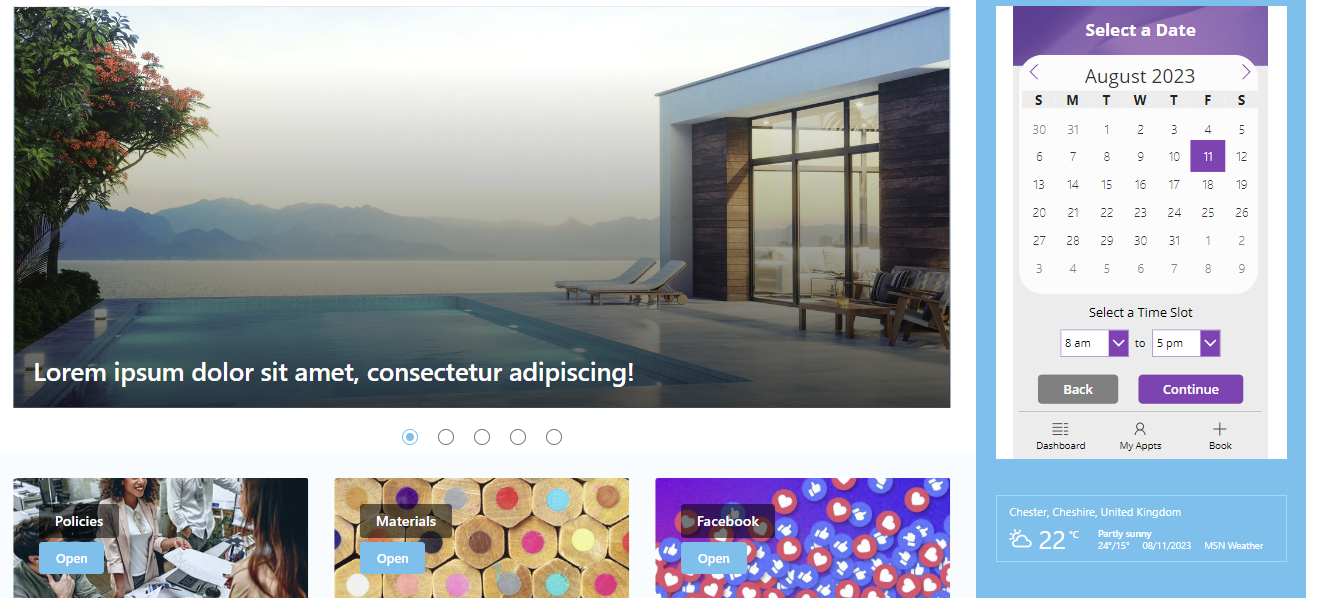
SharePoint Integration with Power Apps

SharePoint Native Integrations with Third Parties and Microsoft 365 Products

Several third-party services natively integrate with SharePoint, enriching your intranet with diverse functionalities.

Among the notable integrations are YouTube, Twitter, and Bing Maps, enabling you to seamlessly incorporate multimedia content and location-based data.

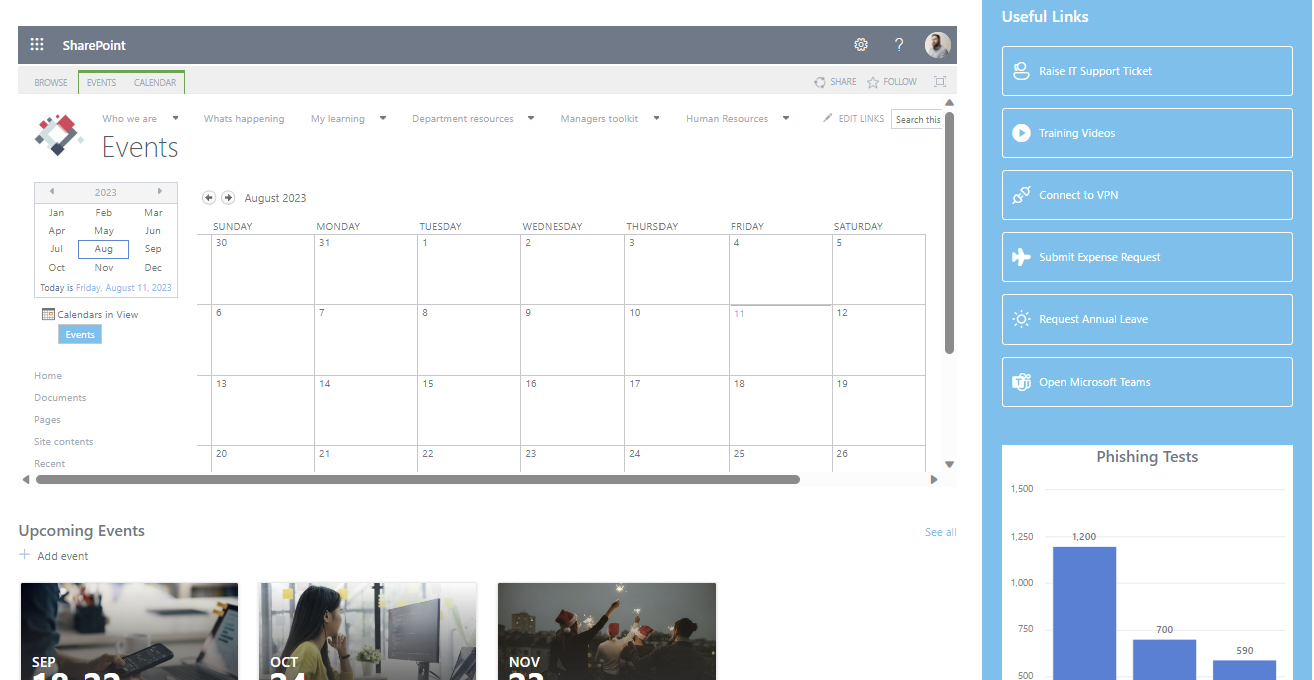
Moreover, various Microsoft 365 products naturally integrate with SharePoint, including Microsoft Forms, Microsoft Stream, Microsoft Power Apps, Power BI, Microsoft Viva Connections, and Microsoft Viva Conversations (formerly Yammer Feed).

These integrations empower users to access, share, and interact with content from within the SharePoint ecosystem.

Examples of external systems

Leveraging the right tools can mean the difference between success and stagnation. Among the multitude of software options available, a handful have risen to become the backbone of efficient operations for countless companies worldwide. These are the true workhorses, the applications that empower teams to collaborate seamlessly, streamline critical processes, and unlock unparalleled productivity. The following are examples of such business applications:

  • Salesforce: A leading customer relationship management (CRM) platform that helps businesses manage their sales, service, marketing, and more.
  • Slack: A collaboration and messaging platform that enables teams to communicate and work together in channels and private groups.
  • Zoom: A video conferencing and communication platform that became especially popular during the COVID-19 pandemic for remote work and virtual meetings.
  • Oracle: Known for its enterprise software products, including databases, cloud solutions, and applications for various business needs.
  • SAP: Offers a wide range of enterprise software solutions, including ERP (Enterprise Resource Planning), CRM, and supply chain management.

1. SharePoint Navigation Button Launching a New Tab

One straightforward method for integrating third-party systems into SharePoint is by adding navigation buttons that open external content in a new browser tab.

This approach is quick to implement and doesn’t require extensive technical knowledge.

You can place hyperlinks within various navigation areas of SharePoint, such as:

  • The SharePoint hub navigation bar
  • SharePoint Site navigation bar
  • Quick links web part
  • Call to action web part
  • SharePoint button web part

SharePoint Navigation Pros:

  • Quick and easy integration: This method is simple to set up, making it accessible even for non-technical users.
  • Suitable for non-technical users: Individuals without advanced technical skills can effortlessly implement this solution.
  • Simple link updates: If the external link changes, updating it is a swift and hassle-free process.
  • Minimal impact on SharePoint’s interface: The integration does not significantly alter the appearance of SharePoint.
  • External website handles authentication: User authentication is managed by the third-party website, simplifying access.
  • Cost-effective solution without configuration requirements: No additional configuration or costs are needed, making it budget-friendly.

SharePoint Navigation Cons:

  • Adds an extra click to user journeys: Users need to click through to the external content, which may disrupt their workflow.
  • Segregates information across multiple platforms: Information is distributed across SharePoint and external sources, potentially affecting content consolidation.
  • It is not so obvious if users will have access to the system once the new tab has been launched.

2. Embedding or iFraming in SharePoint Integration

Another approach involves using the “Embed” web part, which allows you to iframe third-party websites directly into SharePoint pages.

While simple to set up, this method may require some additional configuration to ensure a seamless user experience.

Some third-party providers even offer custom plugins to integrate their products directly into SharePoint.

SharePoint Embed Pros:

  •   Quick setup: Implementing the “Embed” web part is straightforward and doesn’t require extensive time.
  •   Allows for direct integration of specific features: Certain third-party plugins enable precise integration of desired functionalities.

SharePoint Embed Cons:

  • Display issues, such as additional scroll bars: The embedded content may introduce scroll bars within the SharePoint page, affecting user experience.
  • May require consultancy to address potential problems: Professional guidance might be necessary to ensure seamless integration and user-friendly display.
  • Possible costs for configuration and customization: While the method itself is relatively simple, costs may arise from necessary configurations or customizations.

3. Bespoke Solutions for SharePoint Integration

For a comprehensive and tailored integration, opting for a bespoke solution for a SharePoint integration is ideal.

This involves building custom interfaces or workflows to connect SharePoint with third-party systems. Several approaches can be taken:

Power Automate SharePoint Integration:

Utilize Microsoft Power Automate to automate data exchange between SharePoint and third-party systems.

Many third-party applications offer connectors that simplify the integration process, eliminating the need for extensive code development.

However, this option is purely about pushing and pulling data between a SharePoint list or library. You would still need to build an interface with either SharePoint or one of the options below.

SharePoint SPFX Web Part (Pro Code Solution)

Leverage SharePoint Framework (SPFX) to create custom web parts or plugins that seamlessly integrate external content or services.

This approach requires coding expertise but offers robust customization.

Canvas Power Apps Integrated into SharePoint:

Utilize Microsoft’s low-code platform, Canvas Power Apps, to design custom interfaces that interact with third-party systems.

This method strikes a balance between customization and ease of use.

Bespoke SharePoint Solution Pros:

  • Comprehensive integration possibilities: Bespoke solutions allow for the full range of integration options based on specific needs.
  • Tailored user experiences: Custom interfaces ensure a seamless and user-friendly interaction between SharePoint and third-party systems.
  • Seamlessly connect SharePoint and third-party functionalities: These solutions bridge the gap between platforms, enabling cohesive workflows.

Bespoke SharePoint Solution Cons:

  • High cost and resource commitment: Developing bespoke solutions requires significant investment in terms of time, effort, and budget.
  • Requires coding or development expertise: Building custom interfaces demands technical knowledge and skills.
  • Time-consuming implementation process: Creating and deploying bespoke solutions may extend the integration timeline.

Choosing the Right Approach for You!

In selecting the optimal integration approach, consider your organization’s specific needs and resources.

While the second method, embedding or iFraming, may present certain challenges, it can be useful for straightforward integrations.

On the other hand, the third approach offers unparalleled customization but demands more investment in terms of time, effort, and budget.

In conclusion, the decision to integrate third-party systems into SharePoint depends on your desired level of functionality, user experience, and available resources.

Ultimately, whether you opt for a simple navigation button, an embedded solution, or a bespoke integration, the goal remains the same: to create a unified and productive digital workspace that seamlessly bridges SharePoint and third-party systems.

SharePoint Integration Next Steps

I hope you found this article useful, if you are interested in getting some assistance with SharePoint Online or PowerApps, please feel free to contact me with any questions using our contact us form.

You might also be interested to read How an ISO 9001 QMS in SharePoint Benefits Your Business (valto.co.uk)

Author

Dougie Wood

Solutions Architect

Talk to our team

Share this

Related reading

NewsSharePoint

Mastering Document Control with SharePoint

Struggling with document versioning, policy visibility or outdated files? Learn how Valto’s SharePoint-based Controlled Documents Solution solves the most common document control challenges.

7 May 2025

Atlassian Server is end of life
NewsSharePoint

Atlassian Server is End of Life

Is your organisation still using Confluence on an unsupported version? Discover the benefits of migrating to SharePoint Online, including better security, cost savings, and seamless integration with Office 365.

22 January 2025