

Podcast
Holstein UK: The Future of Breed Societies
- Episode
- #13
- Duration
- 17 min
- Guests
- Hugh Valentine & Michael Haliwell
Overview
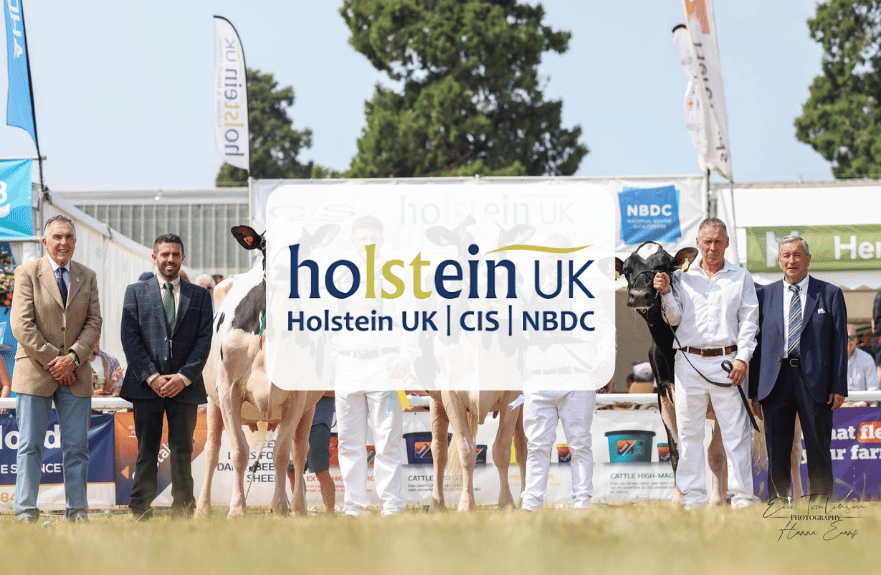
Holstein UK: The Future of Breed Societies
Discover how Holstein UK is approaching digital transformation and using technology, data and AI to help shape the future of breed societies.
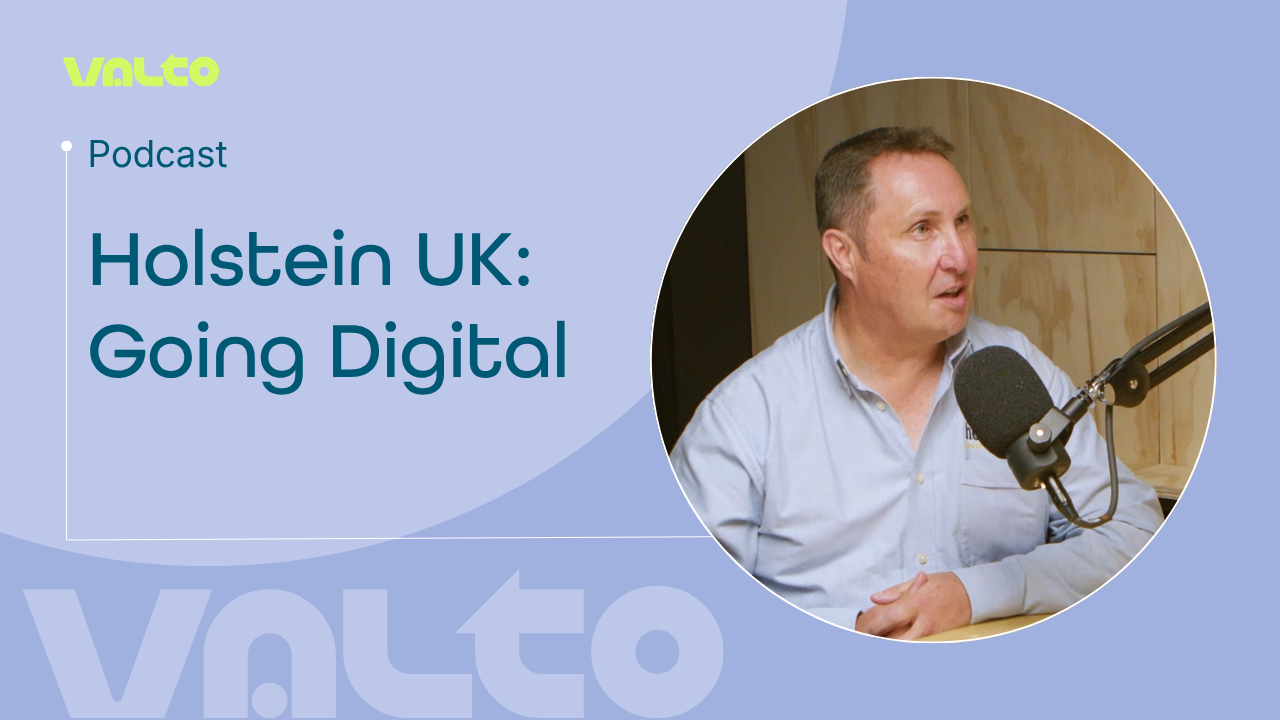
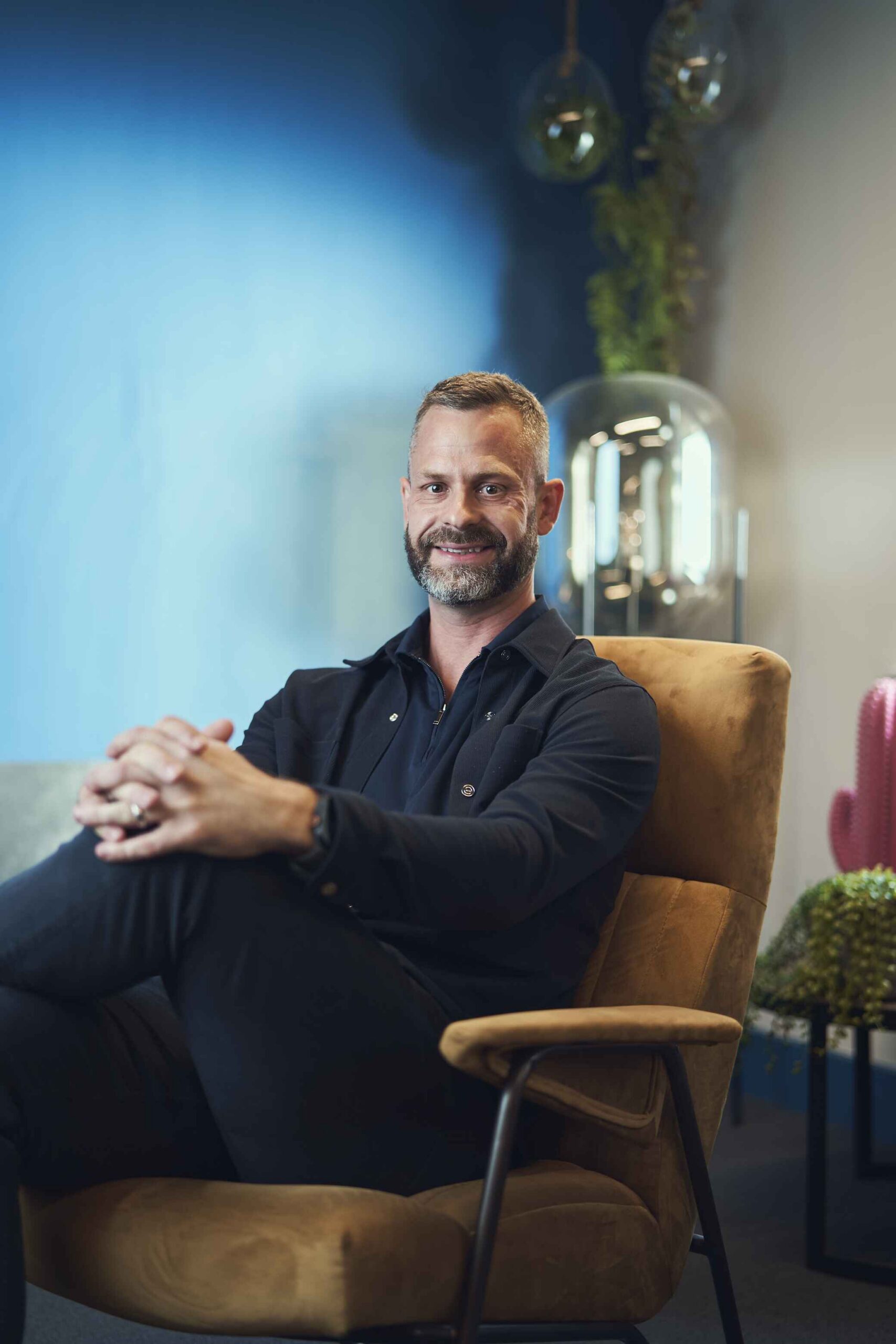
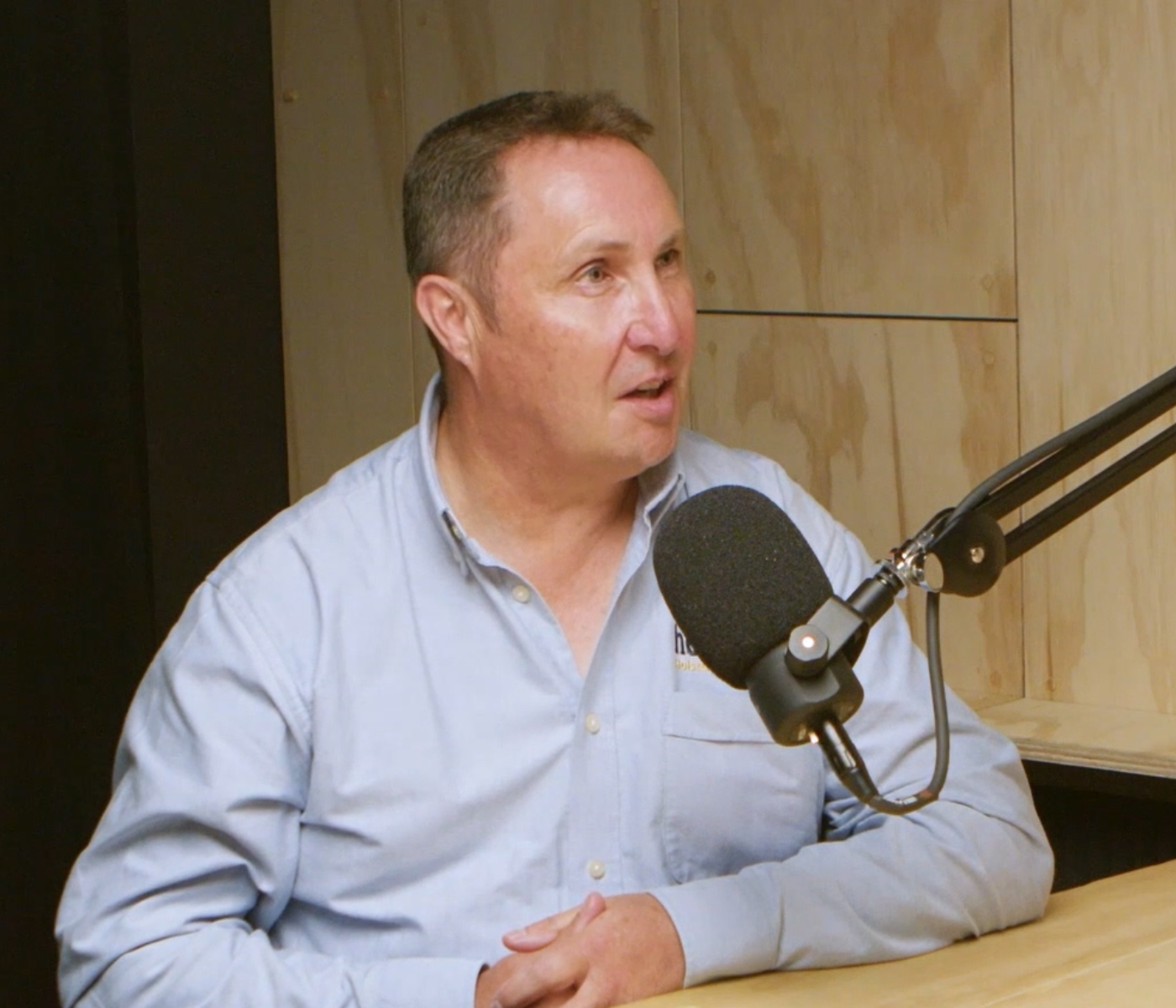
Valto team and guests featured in this episode
Hear from our experts
Listen to the full episode
Breed societies have managed pedigree records, herd books and performance data for generations, but changing technology and growing volumes of data are creating new opportunities for how these organisations operate. In this episode, Hugh Valentine is joined by Michael Halliwell from Holstein UK to discuss the organisation’s digital transformation and the role technology could play in the future of breed societies.
In this episode
- 1
How is technology changing dairy breeding?
Genomics, reproductive technologies and increasingly detailed performance data are giving breeders access to more information than ever before. Michael discusses how technologies such as genomic testing have accelerated genetic progress and how digital tools continue to evolve across the dairy sector.
- 2
Why is Holstein UK investing in digital transformation?
Holstein UK’s existing technology estate had evolved over many years, creating legacy systems, workarounds and additional administrative demands. The organisation is now rebuilding its digital foundations to create a more modern, scalable platform that can support its members and employees into the future.
- 3
Why did Holstein UK choose the Microsoft platform?
Scalability was an important consideration for Holstein UK. Rather than simply replacing existing systems, the organisation wanted a platform that could evolve alongside the business and potentially support other organisations and territories in the future.
- 4
Could technology support other breed societies?
Many breed societies face similar challenges around animal records, registrations, performance data and reporting. While different species require different measures and processes, Michael discusses the potential for a shared technology approach that could be adapted for other herd books and breed organisations.
- 5
What role could AI play in the future?
AI creates opportunities to analyse, visualise and surface data in new ways, potentially making information more accessible to breeders and customers. However, Michael also highlights the importance of data security and responsible adoption as organisations explore these capabilities.
- 6
What does the future of Holstein UK look like?
By 2030, Holstein UK aims to be beyond the initial digital transformation and in a position to innovate on top of its new technology and data estate. That could create opportunities to deliver greater value to members, collaborate with other breed societies and make better use of emerging technologies.
Subscribe for new episodes
Be the first to hear about our latest podcast episodes, videos, news and more.
You may also be interested in
Not sure where to start? Contact usReady to modernise your organisation?
Digital transformation isn't simply about replacing legacy technology. By building a scalable digital foundation, organisations can reduce manual processes, make better use of their data and create new opportunities to develop their services.
Podcast transcript
Podcast transcript: Holstein UK, breed societies and digital transformation
Speakers
Hugh Valentine
Michael Halliwell, Holstein UK
[00:00] Hugh Valentine:
Hello, welcome to today’s podcast. So today is a conversation about Holstein UK, the future of breed societies and the role technology can play.
I’m Hugh Valentine, and today I’m joined by Michael Halliwell from Holstein UK.
[00:16] Michael Halliwell:
Nice to be here, Hugh. Thank you, mate.
[00:18] Hugh Valentine:
So breed societies across species share the same core challenges, and there may be a better way to meet them than each organisation solving them alone.
Those shared challenges that we’ve seen include pedigree and herd book management, registration, classification, genomics, performance recording, regulatory reporting and rising member expectations of self-service.
And we think Holstein is well placed to lead that conversation as a sector voice. So perhaps you can give us a quick intro to yourself.
[00:50] Michael Halliwell:
Yeah. So as you said, I’m Mike Halliwell. I’ve been at Holstein UK for a little over three and a half years. My entire career has been in agriculture, and specifically the dairy sector.
So I’ve co-existed, in many ways, alongside the breed society throughout my career. To have the opportunity to work within it for the last three and a half years has been really interesting, and a great learning experience of what happened on the other side of the fence I was able to look over.
[01:18] Hugh Valentine:
Yeah. Could you give us an intro to Holstein UK?
[01:22] Michael Halliwell:
Yeah. So Holstein UK is the largest of the dairy breed organisations in the UK. We do all of the registration and managing of the herd book for the Holstein breed and the Friesian breed, Holstein Friesian.
Actually, we were born out of the Friesian Society. As the breeds evolved over many years, it’s evolved into the Holstein Friesian Society now. But we also provide a lot of administration for all of the other dairy breeds in the UK.
[01:58] Hugh Valentine:
OK. And what do members expect from a breed society now that they didn’t 20 years ago?
[02:03] Michael Halliwell:
I think expectation is largely similar in many ways. Farmers are very traditional in their outlook. A large part of being a member of the herd book society is around the tradition that that brings, and the provenance around being a member of the herd book.
So a lot of it is generational. I’m not sure the expectations have changed widely from the farmer perspective. But I think the opportunities that being a herd book member has can be highly leveraged, and I think that’s our opportunity as a herd book.
[02:40] Hugh Valentine:
Yeah. We touched on it when I started with the intro, but there’s a lot that’s changed. So perhaps you can give us some insight into what’s changed most in dairy breeding, genetics, data, sustainability and, obviously, regulation.
[02:54] Michael Halliwell:
Yeah. I suppose there have been two real big game changers in the last 30 years. And as I said, we’re talking about a generational industry, so whilst these things change, adoption is often a little slower.
But really, the primary driver from the genetic side of change has been the genomic technologies that are now in the industry. We were able to access genomic testing of bloodlines from around 2009, and that was widely adopted then on farm from about 2015, 2016.
So we’re around 10 years into that journey, and the ability that’s given breeders to really take advantage of more rapid genetic progress has been a real game changer.
[03:42] Hugh Valentine:
Yeah. When you look at it on the surface, you wouldn’t realise how much technology there is in the background from breeding cows. With all the stuff that’s there now, it’s crazy how much there is.
[03:52] Michael Halliwell:
And in many ways, things like reproductive technologies, for example, are commonplace in the dairy sector.
We use gender-sorted semen, so we can define the sex of the calf. That’s something that has been widely available commercially for many, many years now.
Things like IVF technology, where we can superovulate animals and create many more replacements from the elite bloodlines, those things are fairly commonplace in the industry and have been for a long time.
[04:25] Hugh Valentine:
Yeah.
[04:25] Michael Halliwell:
So there is a huge technology adoption that keeps us at the forefront of what really our main objective is, which is to provide a nutritious product as cost-effectively as we can.
[04:39] Hugh Valentine:
Yeah. I guess farmers have been doing that since the beginning, though, really. Not just with the data that we have now, but perhaps in the early days they have just been sharing, “My herd’s done really well with this,” and it’s evolved a lot.
[04:51] Michael Halliwell:
Yeah. I think, obviously, a herd book, that was really the starting point of a herd book and milk recording of herd book cows: the ability to measure and then benchmark against others to find those better bloodlines that would be able to be propagated through the breed.
So yeah, that’s been something that’s been going on for many, many, many years.
[05:15] Hugh Valentine:
Yeah. So what’s it like for Holstein UK as a member-led, not-for-profit organisation, and obviously with such a long history?
[05:24] Michael Halliwell:
Yeah. So we’ve been established for well over 100 years. As you say, we’re a member-owned organisation. We’re governed by a board of trustees that are regionally elected by our members.
Those trustees serve four-year terms, so we get some rotation of the trustees over time. They’re there really to make sure that the governance of the business and the direction of the business is adhered to for the best interests of the members.
So from a commercial side, that can be a little bit challenging in some ways. We have to observe the traditional and the membership speed of appreciation and adoption. That sometimes is a little bit slower, so from a commercial perspective it can be a little frustrating.
But I think that most of our members are expecting the business to be fit for purpose and at the forefront of opportunities that we can take.
[06:24] Hugh Valentine:
Yeah. So that segues nicely into the large digital transformation project that you’re embarking on now. Perhaps you could give us a quick overview of what that is?
[06:33] Michael Halliwell:
Yeah. So the digital transformation, as you’ve said, that’s something that we embarked upon around a year ago with real intent.
We were discussing it for probably two years prior to that, trying to find what the solution should look like for us, talking to various partner options, trying to investigate how deep we needed to go.
And the realisation was really that, in our legacy data estate, which had been largely built by us internally over many years, we really needed to go back to basics and start building from the ground up again.
[07:08] Hugh Valentine:
Yeah. So what made the time right? What was it that made it right now that Holstein needed to move and change the technology? Were there any drivers for that?
[07:17] Michael Halliwell:
I think, yeah, the absolute reality was that we were being hamstrung by our existing capability. So it was taking up so much time to just keep the lights on, as we sort of say in HQ.
Spinning plates, trying to patch things, workarounds. That was really hamstringing the business and frustrating a lot of people in the business. So that, from a must-do perspective, was very apparent.
But then, of course, when you realise that, OK, now we’re going to take this big step, then you start dreaming of, well, what could we be on the other side of it?
[07:55] Hugh Valentine:
So, yeah.
[07:56] Michael Halliwell:
So I think it didn’t take long for many people within the business to start saying, “Well, you know, and don’t forget, we can do this and we should be doing this.”
And yeah, so it’s really grown arms and legs as we’ve committed to the project.
[08:08] Hugh Valentine:
Yeah. It’s hard to obviously build the ship while it’s moving. So this is a good opportunity now to start afresh and obviously design it with how you guys want it.
[08:16] Michael Halliwell:
Exactly. And as I’ve said, we need to maintain our current position whilst we go through the transformation process.
So we’re currently finding that a little bit challenging, managing the day job and committing to the project as we need to. But yeah, we’re managing it so far. So yeah, interesting.
[08:36] Hugh Valentine:
What are some of the challenges then? Because obviously you’ve got some people that are very digital and then, on the other end of the scale with the farmers, they’re not digital at all.
[08:44] Michael Halliwell:
I’d say we have the complete opposite ends of the spectrum. We have people that, as you say, are highly digitally enabled. They use a lot of technology on farm and tend to be the larger operations.
Again, we’re dealing with producers of milk anywhere from, you know, 50 to 5,000 cows. So that in itself brings some challenges.
We’ve got people that still write things down in a diary and on a calendar, and it’s all very manual and requires our staff then to upload that information into a digital form, to the other end of the spectrum with people that are wanting to integrate as much as possible with the systems that they use.
[09:23] Hugh Valentine:
Yeah. Farms are becoming more and more digital. The amount of technology that’s needed to keep it going and keep ahead of the competition is changing all the time.
[09:34] Michael Halliwell:
It is, and a large part of that is driven by labour availability. Farming’s a pretty serious commitment. It’s a 365-day, 24-hour-a-day commitment, particularly with livestock.
So the adoption of labour-saving digital technologies has been very well appreciated by farmers. I think that’s probably the real driver for the adoption.
[10:02] Hugh Valentine:
Yeah. And when you were looking for a new technology partner, what did you look for and what makes a good partnership day-to-day?
[10:09] Michael Halliwell:
What did we look for? I’m not sure we really knew what we needed at the outset.
Obviously, once we’d committed to doing it and we started speaking to people, everybody brings a different angle on what the art of the possible is.
So I think our eyes were opened as we went through that sort of due diligence period, where you realise that you could just patch it and fix it and make it look shiny and new. But the reality was that we had to really go back to basics.
So once we realised that, then it was about finding a partner that could cope with that scale of the operation.
[10:50] Hugh Valentine:
Yeah. And if you were going to give advice to another member organisation looking to start out on a digital transformation, what advice would you give?
[10:58] Michael Halliwell:
What advice would I give? That’s a tricky one because I think you’re always going to have the people that have got the mentality that they can make do and mend, if you like, and not commit to a bigger, more substantial piece of work.
But I think, from our perspective, the advice I would give to anybody else would be: look at the opportunities you’re going to get on the other side of it. And that for us was really the driver to go in with the Microsoft platform, particularly.
We want something that can scale across other businesses, maybe across other territories. So having that was pretty important to us.
[11:42] Hugh Valentine:
Yeah. That kind of leads nicely then into your ambitions and the wider opportunity for breed societies. So have you got any views on that to start?
[11:51] Michael Halliwell:
Well, as I said, the first thing we need to do is make sure that we’ve got a system that’s functional for our business. That’s absolutely paramount.
But once we get to the other side of that, it’s how do we then leverage the knowledge and the capability of the system that we will have built with our partners, and maybe then bring other people into that space?
So you talked earlier on about there being other breed societies. We are the largest one in our territory.
So to onboard other smaller herd books, whether they be dairy or beef or sheep or horses or anything, at the end of the day we’re largely just tracing, keeping the database of animal records.
[12:35] Hugh Valentine:
Yeah.
[12:36] Michael Halliwell:
So we think it should have a wider application.
[12:38] Hugh Valentine:
For sure. Yeah. I guess there are a lot of things that are in common with different species. But are there some things that would be genuinely different, would you say?
[12:47] Michael Halliwell:
Well, I think certainly, if we look at, say, horses as an example, it’s a massive global industry, the equine side, but they’re not capturing the same kind of performance records that production animals are.
So when we look at cows particularly, we’re measuring milk yield, we’re measuring components, we’re measuring all kinds of things from cows that we wouldn’t be measuring.
Similarly, for pigs, for example, we’re looking at weights and weight gain and all of these things.
So there are different metrics that we’re capturing. But ultimately, it’s about the ability to capture those metrics, organise the data in such a way that we can then report on those metrics.
[13:32] Hugh Valentine:
Yeah. And do you think that opens the door for more collaboration or shared thinking between societies? Does that happen at the moment?
[13:38] Michael Halliwell:
I think that all societies will be looking down a similar line of challenge that we’ve had.
We are fortunate that we’re large enough that we can make this investment to kind of put our house in order.
And we’re doing this to put the house in order for the next generation of members and employees at Holstein UK. Whether those smaller societies would be able to do that singly, I would say would be pretty challenging.
[14:15] Hugh Valentine:
Yeah. It’s a big investment, like you said, of time and money.
[14:18] Michael Halliwell:
Indeed.
[14:19] Hugh Valentine:
So what does Holstein look like in 2030?
[14:23] Michael Halliwell:
Well, in 2030, we’ll be hopefully 18 months or so the other side of our digital transformation.
So I’m sure we’ll do a lot of learning as we adopt and embrace our new digital estate. It would be great if we were in a position where we could hit the ground running and start innovating on top of the data that we have.
I think that with the AI capabilities that are out there now, we can visualise data and surface data back to customers with a huge amount of flexibility. So I think that’s really the 2030 milestone, to get there.
[15:03] Hugh Valentine:
Yeah. Do you see any opportunities with AI and, obviously, data that could help breeders, and potentially where we should be cautious around using that too much?
[15:12] Michael Halliwell:
Obviously, everybody’s a little bit nervous around AI right now. There’s the safety element of the data. That’s got to be paramount.
Ultimately, we will be responsible for that data, so we need to make sure that we’ve got it bolted down in a very secure environment.
There’s the nervousness around, well, what’s AI going to do that will make the human element of it less required?
But my opinion is, and this is just a personal opinion, AI is not going away. We’re not putting that genie back in the box.
So I think the quicker you can learn about it, the quicker you can learn how you harness it to your advantage, the better you’ll be prepared for what’s going to come.
[15:57] Hugh Valentine:
Yeah. You’ve got to invest, otherwise you’re going to get left behind for sure.
[16:01] Michael Halliwell:
I think so.
[16:02] Hugh Valentine:
Yeah. So thank you very much for your time today.
Just perhaps to close off with one final question for yourself. What’s your view on the biggest opportunity there is in the sector over the next five or 10 years?
[16:16] Michael Halliwell:
Well, we have to tell our story.
We’re producing food, ultimately, to a consumer that appreciates the product. But we come under pressure, obviously, from people that are within the community that think that there are alternatives. And there are alternatives, of course.
But we see the opportunity for nutritious food being here for a considerable amount of time.
So any way we can prove with data that we’re doing the right thing, that we’re looking after our animals correctly, we’re giving them a healthy and happy lifestyle, I think that’s the opportunity for our industry.
We have to do it not with an emotional argument, but with the data to back it up.
[16:59] Hugh Valentine:
For sure. Great. Well, thank you very much.
[17:02] Michael Halliwell:
Thank you.
[17:03] Hugh Valentine:
Cheers.
More like this
Event
Still running your business on Microsoft Access? Move to Microsoft Dataverse
25 November 2026 · 11:00 · Online