


Podcast
Managing Power Platform Projects
- Episode
- #11
- Duration
- 16 min
- Guests
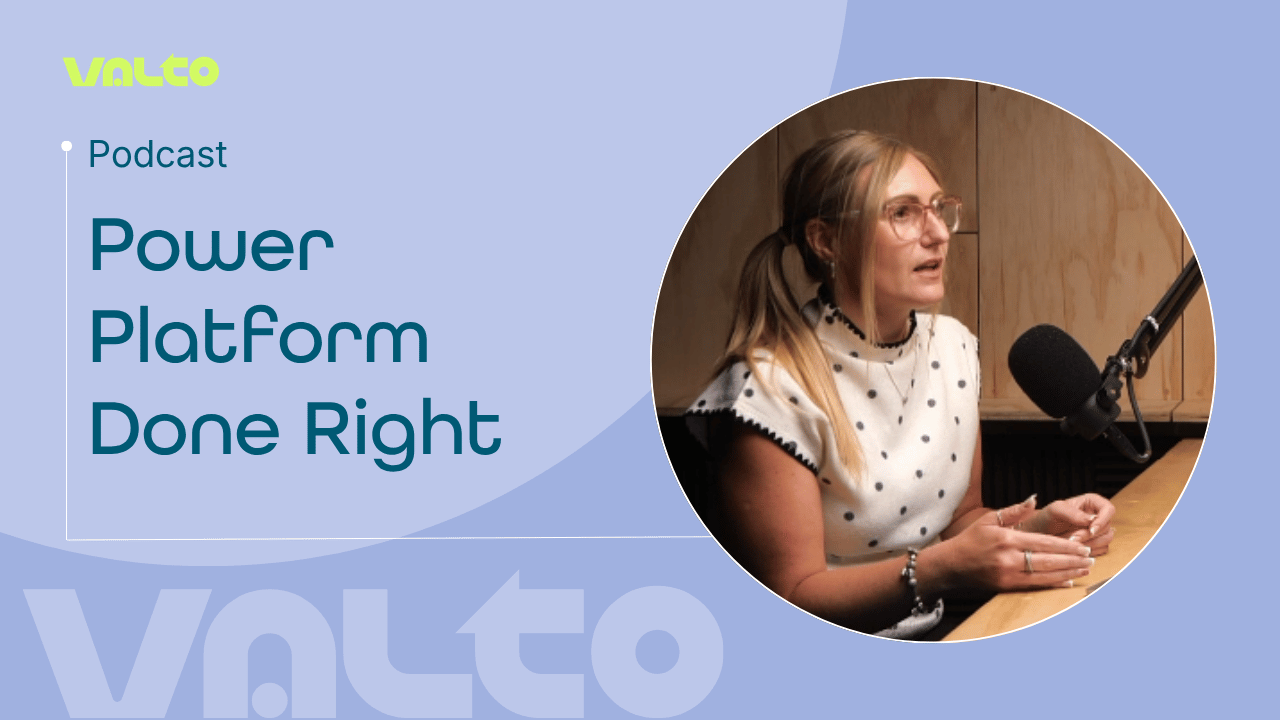
- Hugh Valentine, Dena Jones & Sam Gareh
Overview
Managing Power Platform Projects
Find out how organisations are turning business challenges into successful digital transformation projects with Microsoft Power Platform, AI and modern application development.
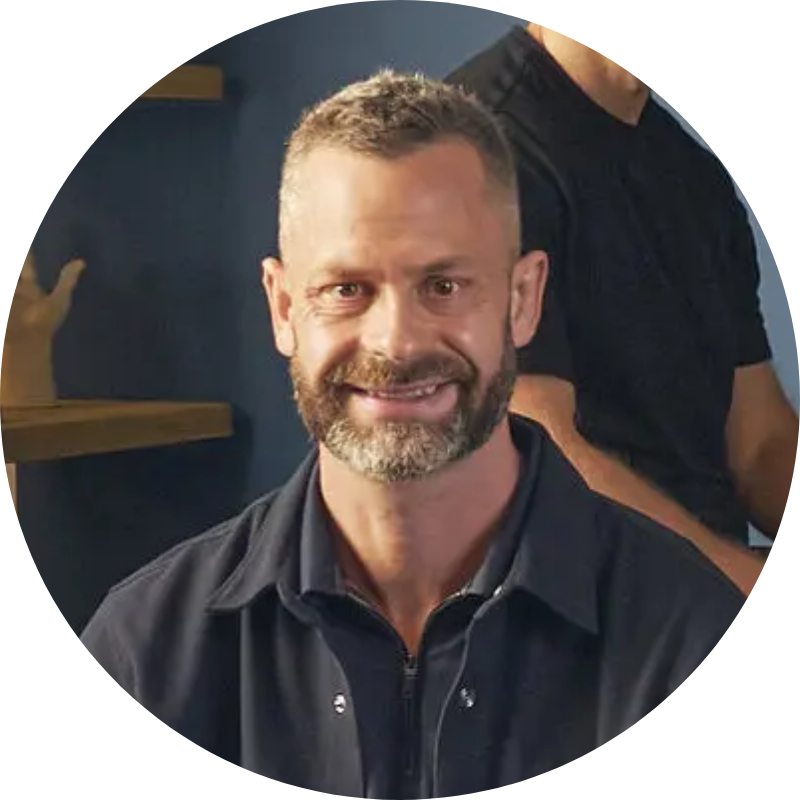
Valto experts featured in this episode
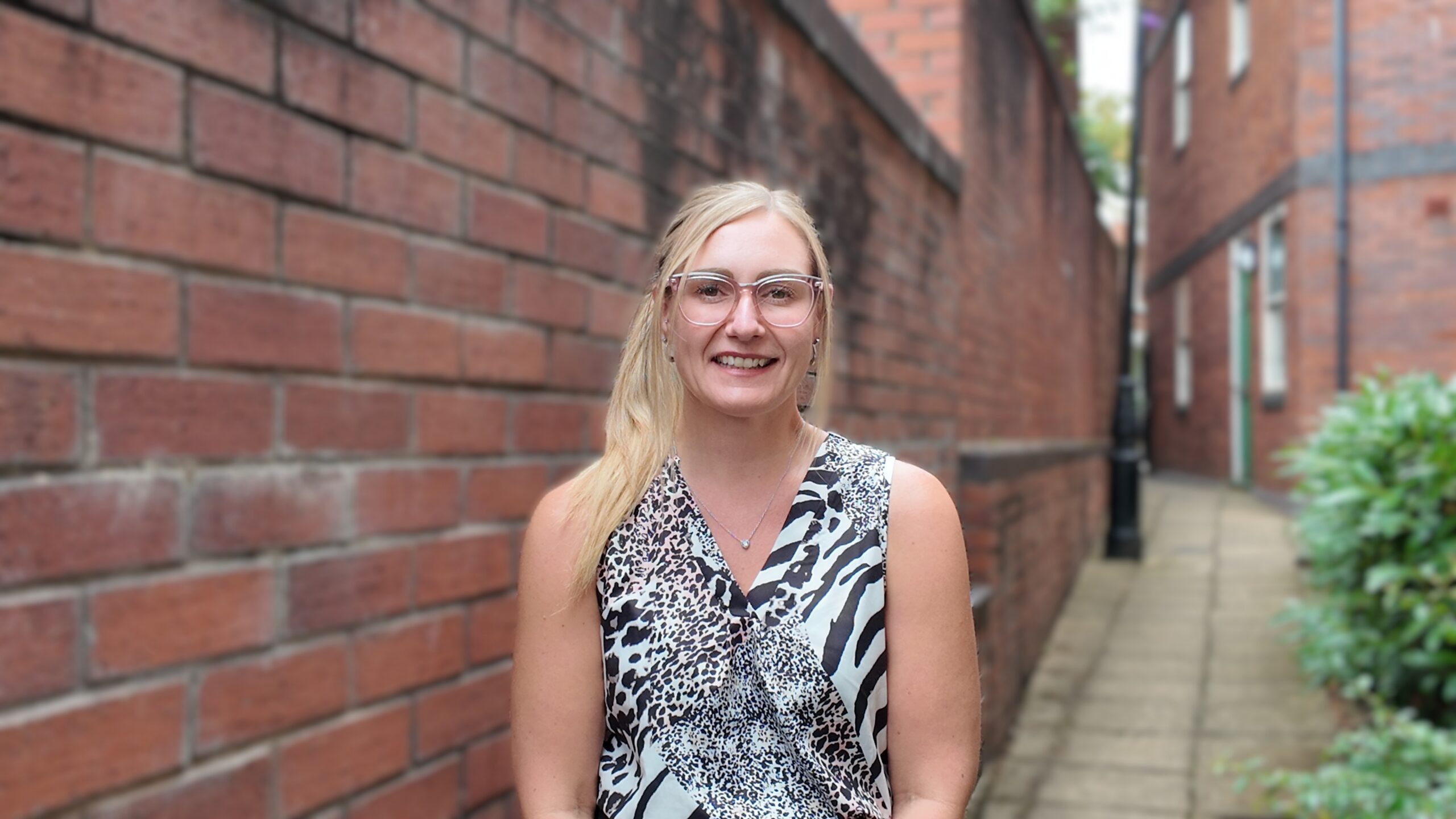
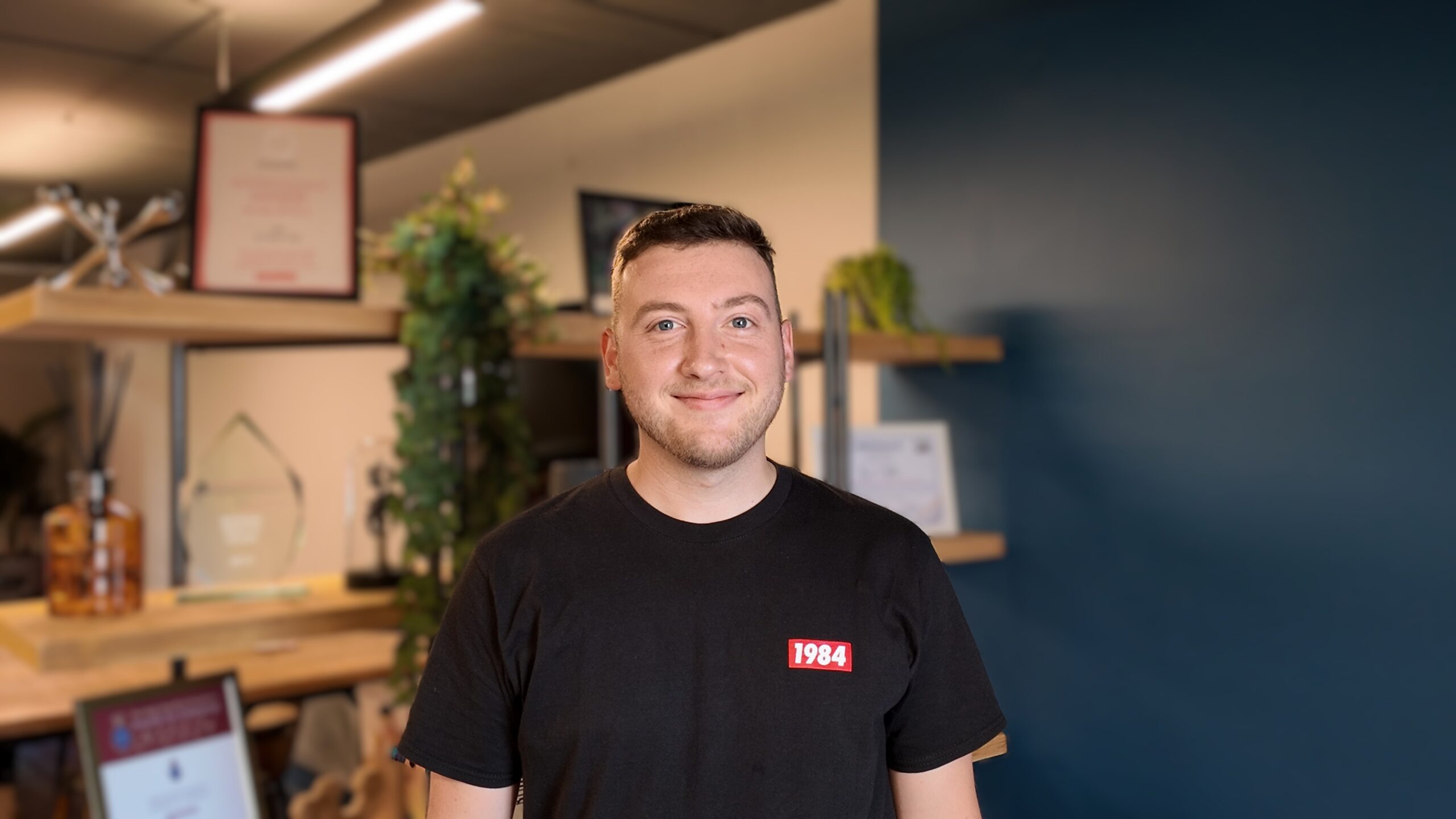
Hear from our experts
Listen to the full episode
Successful Power Platform projects start long before the first application is built. Organisations often begin with a business challenge such as disconnected systems, manual processes, duplicated data or ageing technology, only to discover opportunities for wider digital transformation. In this episode, Valto's experts discuss how businesses can move from initial discovery through to successful project delivery. They explore the role of Power Platform, Dataverse, AI, SharePoint and Microsoft technologies in modernising operations, delivering quick wins, future-proofing business applications and creating scalable solutions that evolve alongside organisational requirements.
In this episode
Most Power Platform projects struggle when they focus on technology before business outcomes. Successful projects start with a clear understanding of the business challenge, defined objectives, stakeholder engagement and user adoption. The most effective projects deliver quick wins early while maintaining a roadmap for future enhancement and growth.
Common indicators include manual processes, disconnected systems, duplicated data, large spreadsheet-based workflows, ageing Access databases, legacy applications and reliance on a small number of employees to maintain critical business systems. These issues can limit scalability, create operational risk and slow down innovation.
A discovery workshop helps organisations understand their current processes, challenges and requirements in more detail. Consultants work with stakeholders to map business processes, identify opportunities for improvement, define solution requirements and create a delivery plan with clear priorities, costs and outcomes.
Successful digital transformation projects focus on solving genuine business challenges and delivering measurable outcomes. Clear objectives, strong stakeholder engagement, effective governance, user adoption and continual improvement are all critical factors in achieving long-term success.
Microsoft Power Platform enables organisations to rapidly build applications, automate processes, connect data and generate insights while making use of existing Microsoft investments. Its flexibility, scalability and integration with Microsoft 365, Dataverse and AI services make it a strong foundation for long-term digital transformation initiatives.
Subscribe for new episodes
Be the first to hear about our latest podcast episodes, videos, news and more.
You may also be interested in
Not sure where to start? Contact usReady to modernise your business with Microsoft?
Whether you're looking to replace legacy systems, automate manual processes, build a Power App, improve operational efficiency or create the foundations for AI adoption, this episode provides practical insights from real-world Power Platform delivery projects.
Podcast transcript
Managing Power Platform Projects | Podcast Transcript
Speakers:
- Hugh Valentine (HV) – CEO, Valto
- Dena Jones (DJ) – Head of Business Applications, Data & AI, Valto
- Sam Gareh (SG) – Business Applications, Data & AI, Valto
Introduction
HV: Hi everyone, and welcome to the Valto Podcast. Today, we’re discussing managing Power Platform projects with our guests, Dena Jones and Sam Gareh. Would you like to introduce yourselves?
DJ: Yes. I’m Dena Jones, and I lead the Business Applications, Data & AI business unit here at Valto. My role focuses on aligning sales activities, overseeing project delivery, and managing stakeholder relationships.
SG: I’m Sam Gareh, and I’m part of the Business Applications and Data & AI business units. I get involved in pre-sales activities, helping customers understand their requirements, identify where they want to take their projects, and supporting them throughout that process.
HV: Great. I’m Hugh Valentine, CEO here at Valto.
Let’s start with a common question. Do customers come to us specifically looking for digital transformation, or how do they find Valto and what are they typically looking for?
Why Customers Approach Valto
DJ: In most cases, customers don’t come to us with a specific solution in mind. Instead, they have a business challenge, such as manual processes, duplicated data, inefficient workflows, or automation requirements.
Many are already using Microsoft technologies and want to understand whether we can build a solution that helps address those challenges using the Microsoft ecosystem.
HV: That makes sense. Sam?
SG: Sometimes customers have already identified a possible solution. For example, they may have researched a business process and think a particular type of application could help.
In those situations, we work with them to validate their thinking, provide recommendations, and ensure they’re investing in the most appropriate solution for their requirements.
What Triggers Digital Transformation?
HV: Digital transformation is an interesting topic. From our experience, there are usually three common triggers.
The first is the emergence of new technologies. AI is a good example, prompting organisations to rethink how they work and develop new strategies.
The second is when a relatively small requirement, such as a Power App, reveals wider opportunities to transform business processes.
The third is a business driver, such as the need to move away from a legacy system or ageing code base. Dena, we see that quite often, don’t we?
DJ: Definitely. During pre-sales conversations, customers often ask questions that indicate the need for a broader transformation programme.
Questions such as:
- How do we connect systems?
- How do we automate processes?
- How do we prepare for AI and future innovation?
These conversations often move beyond a single project and become discussions around digital transformation as an ongoing journey.
Digital transformation typically starts with solving a specific challenge and delivering some quick wins. Once customers begin seeing measurable value, trust builds and further opportunities emerge.
SG: And digital transformation can sound intimidating. Many organisations assume it means a major investment straight away, but that’s not always the case.
We can take a phased approach, delivering quick wins early and then building towards longer-term objectives over time.
Delivering Change Through Agile Working
DJ: At Valto, we combine elements of waterfall and agile methodologies.
We work in fortnightly sprints and hold end-of-sprint demonstrations to showcase the work completed. This helps customers stay closely involved throughout delivery and gives them regular opportunities to provide feedback.
That feedback can then be incorporated into subsequent sprints.
The key thing is that we’re not only solving today’s problem. We’re designing with future growth in mind.
Digital transformation isn’t a single project or solution. It’s an evolving journey. Alongside delivering immediate business value, we help customers develop a strategic roadmap for future improvements.
Warning Signs That Transformation Is Needed
HV: What are some of the warning signs that suggest an organisation may need to invest in digital transformation?
DJ: Some common signs include:
- Large Excel-based processes and spreadsheets
- Ageing Microsoft Access databases
- Legacy systems
- Duplicated data
- Manual workarounds
- Processes that rely heavily on individual knowledge
When key business processes only work because a few people know how to maintain them, that’s a significant risk.
SG: We also see older .NET and C# applications where little or no documentation exists.
Customers often tell us they have a business-critical application, but if something breaks, nobody fully understands how it works. That can create major operational risks.
From Initial Enquiry to Delivery
HV: Sam, can you talk us through the process, from an initial enquiry through discovery workshops and solution design?
SG: Absolutely.
The process usually starts with a call to understand:
- Existing business processes
- Current technology landscape
- Key challenges
- Desired outcomes
My role is to analyse those requirements and identify how modern technologies, such as Power Apps, Power Platform, AI, or SharePoint, could help.
We then provide initial recommendations and budgetary estimates. That’s important because customers need an indication of investment before committing to a detailed discovery process.
Once they’re comfortable proceeding, we move into workshops led by our consultants. These sessions explore requirements in detail and allow us to define deliverables and fixed-price costs.
Once a customer agrees to proceed, the project transitions into delivery and is handed over to Dena and the wider project team.
DJ: Throughout delivery, there are often additional requirements identified that may not have been included in the first phase.
We maintain a backlog of future enhancements and “nice-to-have” features. Once phase one is completed, those items often form the basis of phase two conversations and future roadmap planning.
Evolving Solutions Over Time
SG: One concern customers sometimes have is whether they’re committing themselves to a single inflexible solution.
The advantage of building on Microsoft technologies, particularly within the Power Platform, is that solutions can continually evolve.
We can:
- Add new functionality
- Extend existing applications
- Introduce additional automations
- Expand into new business processes
It’s very different from being locked into a traditional SaaS product with limited flexibility.
DJ: That also creates opportunities to introduce AI capabilities into the solutions we deliver.
SG: Exactly. It’s all about future-proofing.
Future-Proofing Business Applications
HV: How do we ensure solutions are designed for the future, rather than just today’s requirements?
DJ: We always design with future growth in mind.
Our goal is to ensure solutions can support both organisational growth and evolving team requirements over time.
SG: Scalability is essential.
For example, a model-driven application might initially solve a specific process, but six or twelve months later, the customer’s requirements may have expanded.
Because the solution is built on a scalable platform, we can continue extending it.
As organisations adopt technologies such as AI, Copilot, Azure AI Foundry, and Dataverse, having data within the Microsoft ecosystem creates opportunities for automation, intelligent agents, and additional efficiency improvements.
HV: During workshops, our consultants aren’t simply replacing existing systems. They’re designing solutions that take advantage of modern technologies and best practices.
DJ: Exactly. We also want customers to maximise the value of technology they’re already paying for.
If they’re already invested in Microsoft licensing, there are often opportunities to build highly effective solutions within that ecosystem.
Keeping Projects Aligned
HV: We use agile delivery methods. Even on long projects, we’re constantly reviewing priorities and adapting our approach as technologies and requirements change.
DJ: Customers are involved throughout the entire process.
This includes:
- Daily stand-ups
- Weekly project meetings
- End-of-sprint demonstrations
- Sprint retrospectives
The retrospective is particularly important because it allows everyone involved to understand:
- What’s working well
- What’s not working well
- How we can improve
That applies both internally and across the wider project team.
HV: How do we keep internal teams aligned with customer objectives?
DJ: Communication is key.
We collaborate constantly, using Microsoft Teams as a central hub. Everyone involved needs to understand not only what we’re delivering but also why we’re delivering it.
Clear communication, visible priorities, and regular reviews help ensure everyone remains aligned.
What Makes a Successful Digital Transformation Project?
HV: What defines a successful digital transformation project?
SG: The most important measure is whether we’ve solved the customer’s original challenge.
Success comes from understanding their objectives from the outset and guiding them through a process that achieves those outcomes.
Ultimately, success should be measurable. It might mean:
- Saving time
- Increasing efficiency
- Improving processes
- Delivering clear business benefits
And, of course, ensuring the customer is happy with the partnership and overall experience.
DJ: I agree.
Successful Power Platform projects aren’t really about the platform itself. They’re about solving business problems.
The projects that generate the most value typically have:
- Clear objectives
- Engaged stakeholders
- Strong governance
- Good user adoption
If people actively use the solution and it delivers measurable business value, that’s a successful project.
Quickfire Round
HV: Time for the Business Unit Quickfire Round.
Question: Coffee, tea, or “don’t talk to me yet”?
DJ & SG: Tea.
Question: Morning person or reformed night owl?
DJ: Morning person.
Question: What’s the best piece of advice you’ve ignored?
SG: It’s quickfire, just a reminder!
DJ: I don’t know.
SG: Probably, “Don’t bully Sam.”
HV: Don’t buy fake flowers for the wedding.
DJ: Yes, don’t buy fake flowers for the wedding.
Question: Describe the Business Applications business unit in three words.
DJ: Class. Hardworking. Amazing.
Question: When do you know a project is going well?
DJ: When everyone is happy. The internal team and the customer team both understand progress and feel confident about what happens next.
Question: Canvas apps or model-driven apps?
DJ: Model-driven apps.
Question: Best perk of working at Valto?
DJ: The people. Sorry, the CEO.
HV: Perfect.
End of transcript.
More like this